Timeline of Returns

1837

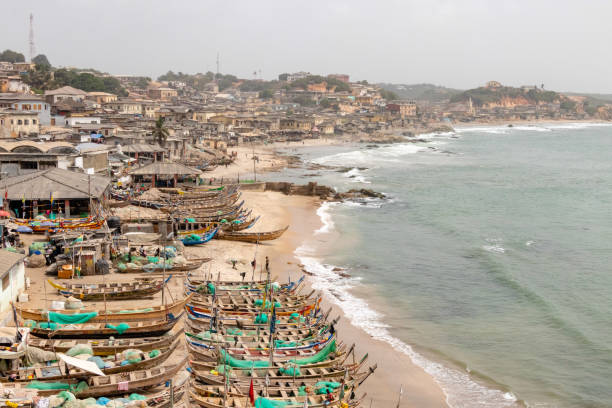
Afro-Brazilian Return Freed Africans from Brazil returned to the West African coast, settling in cities like Lagos and Accra. Known as Aguda and Tabom, they brought Brazilian cultural influences, including architecture, Catholicism, and food traditions. Their presence reshaped coastal societies and created lasting Afro-Atlantic communities rooted in both African and Brazilian experiences.
1840s–1860s

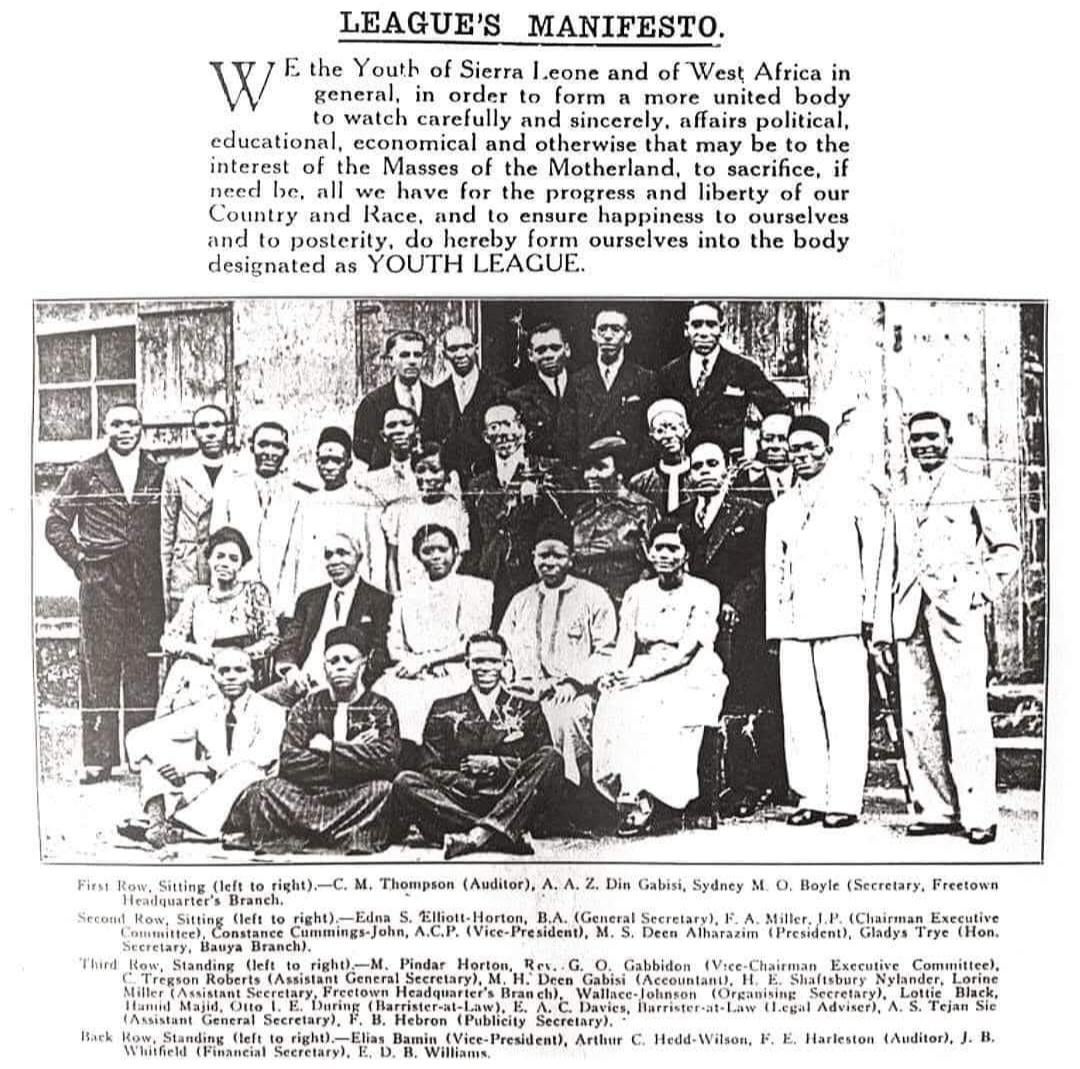
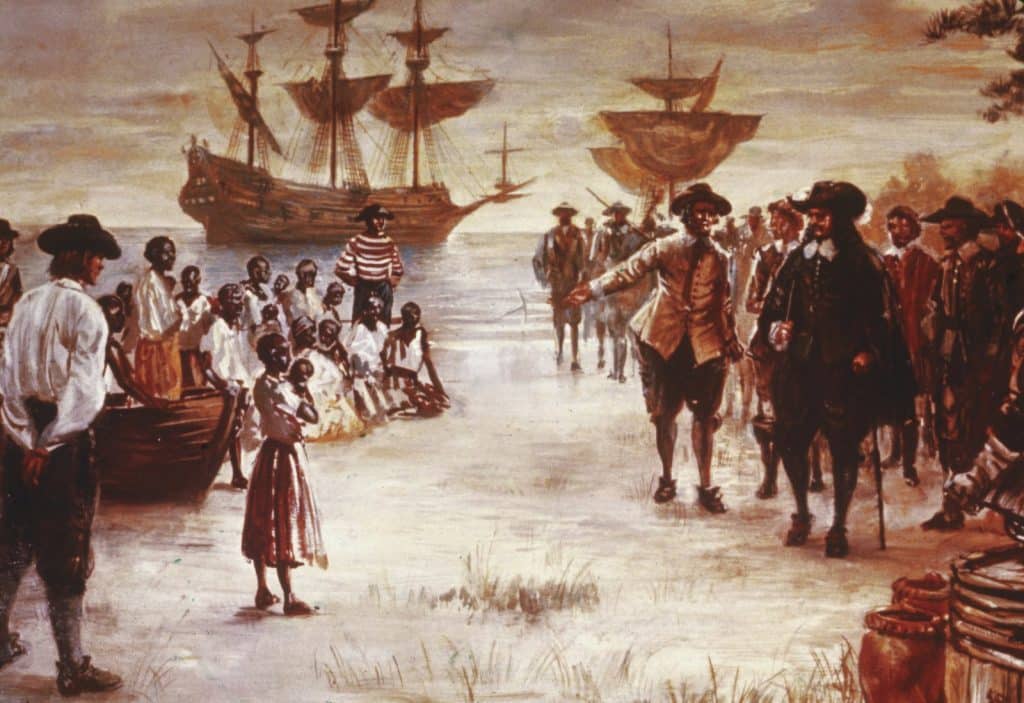
Sierra Leone & Liberia Settlements Formerly enslaved Africans from the Americas resettled in Sierra Leone and Liberia, forming communities like the Krio and Americo-Liberians. Supported by the American Colonization Society, these returnees established Western-style education, religion, and governance systems, shaping the political and social foundations of both countries.

1870s–1900

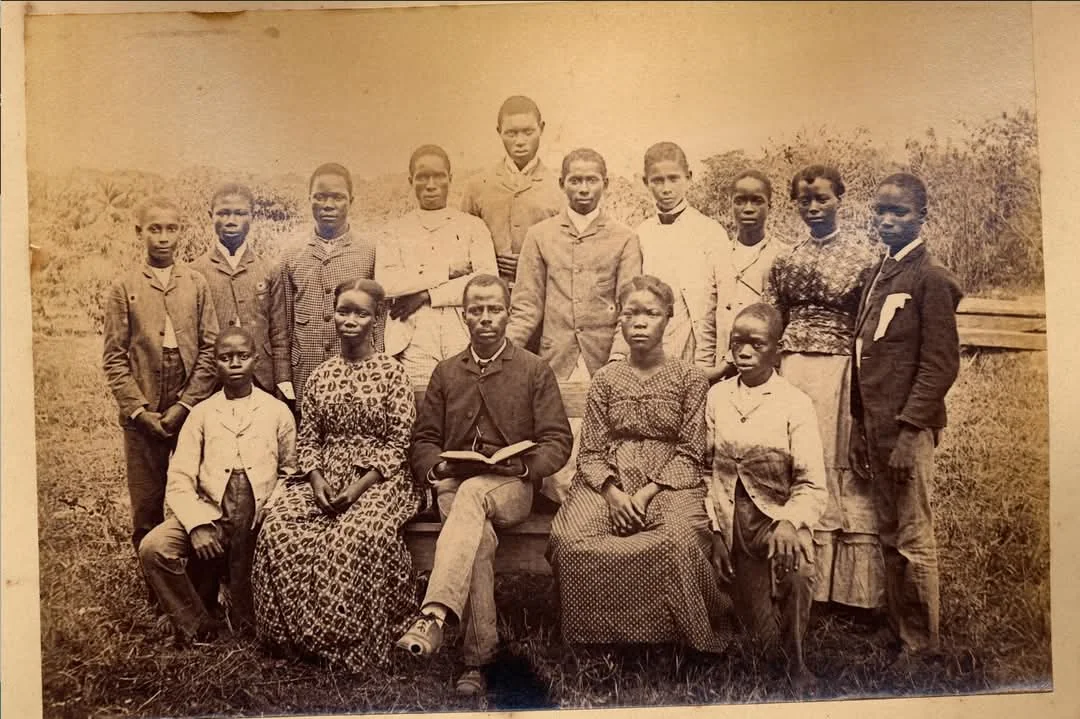
Expansion of Return Communities Returnee populations expanded along the West African coast, especially in port cities where they became active in trade, education, and colonial administration. Their multilingual skills and transatlantic experiences positioned them as intermediaries between Europeans and local communities, allowing them to influence emerging urban cultures and economic systems in significant ways.

Early 1900s

Cultural Integration Over time, returnee communities began to integrate more deeply with local populations, leading to the formation of hybrid identities such as Krio, Saro, and Aguda. These identities reflected a blending of African and diasporic influences, visible in language, religion, architecture, and everyday life, and contributed to the shaping of modern coastal West African societies.

1950s–1960s

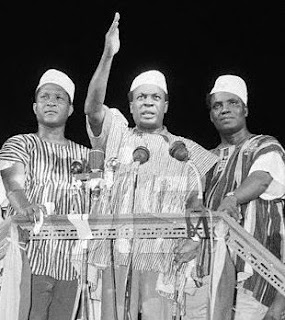
Independence Era Return During Africa’s independence movements, return took on new political meaning. Leaders like Kwame Nkrumah encouraged members of the diaspora to return and contribute to nation-building. Intellectuals such as W.E.B. Du Bois relocated to Africa, marking a shift toward return as a form of Pan-African solidarity and cultural reconnection.

1980s–1990s

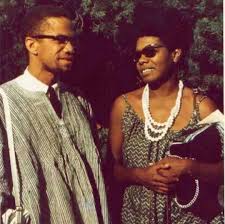
Cultural and Heritage Return Return during this period became more personal and cultural, as members of the African diaspora traveled to the continent in search of identity and belonging. Heritage tourism grew, and Africa became a place of spiritual and historical reconnection, especially for those seeking to understand their roots beyond the legacies of slavery and colonialism.

2000s

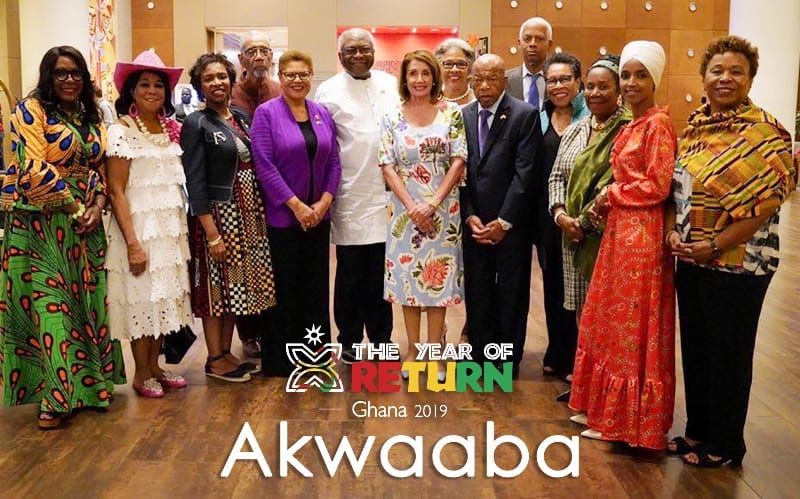
Organized Return Initiatives Governments began actively inviting the diaspora back through structured programs. In Ghana, initiatives like the Year of Return created opportunities for tourism, investment, and relocation. These efforts marked a shift toward institutional support for reconnection, positioning Africa as both a destination and a place of renewed belonging.

2010s–Present

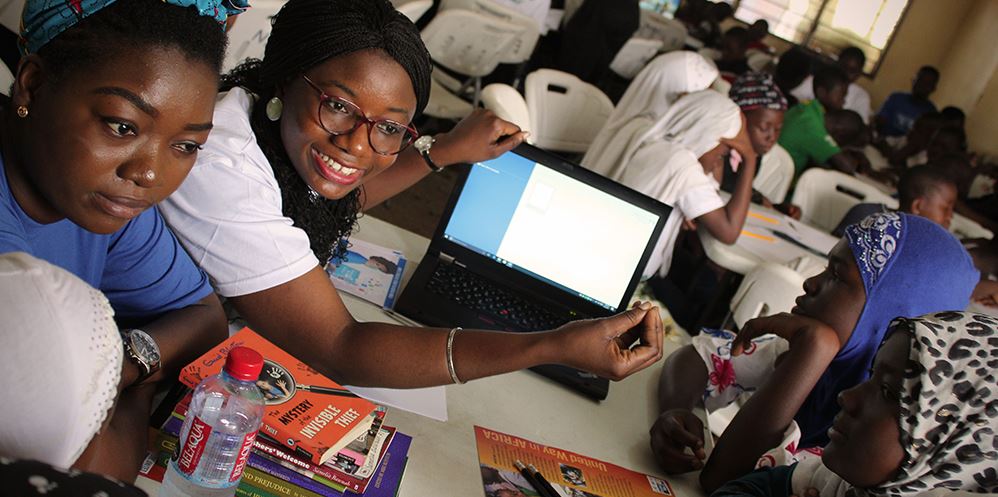
Digital and Contemporary Return today takes multiple forms, including relocation, cultural engagement, and digital connection. People of African descent are building relationships with the continent through travel, business, storytelling, and online platforms. Digital spaces now play a key role, allowing individuals to reconnect with heritage and community even when physical return is not possible.

Back Home