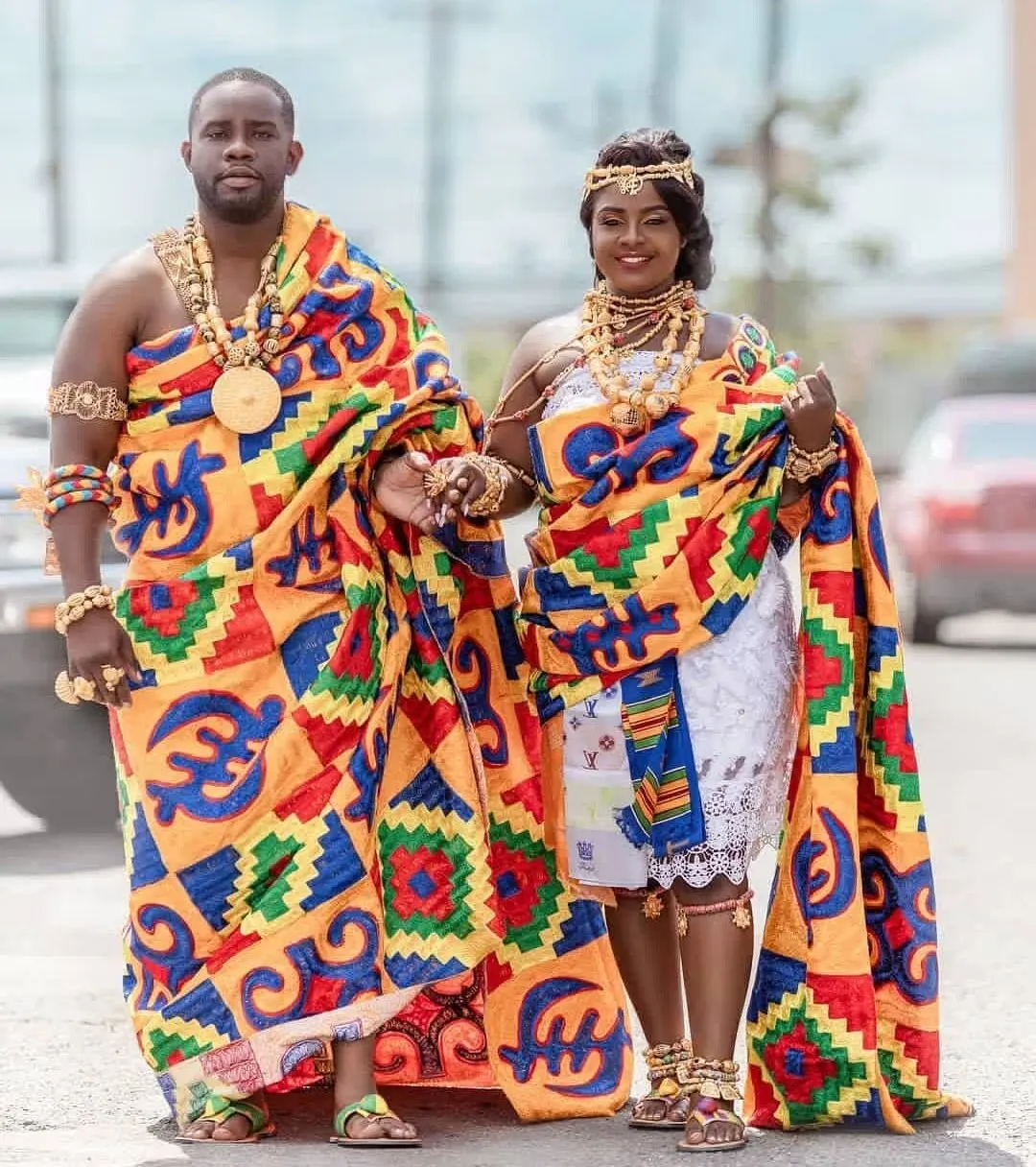
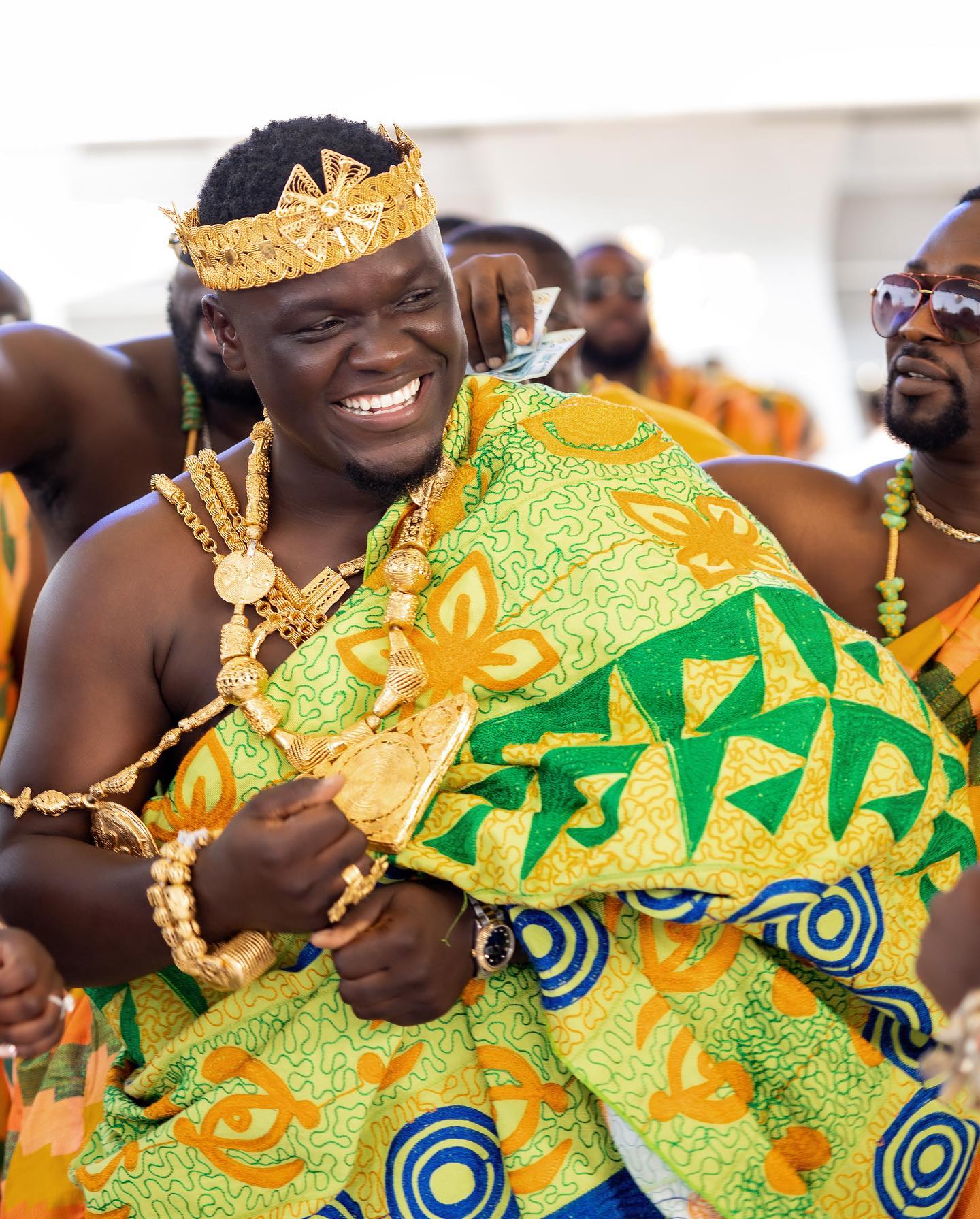
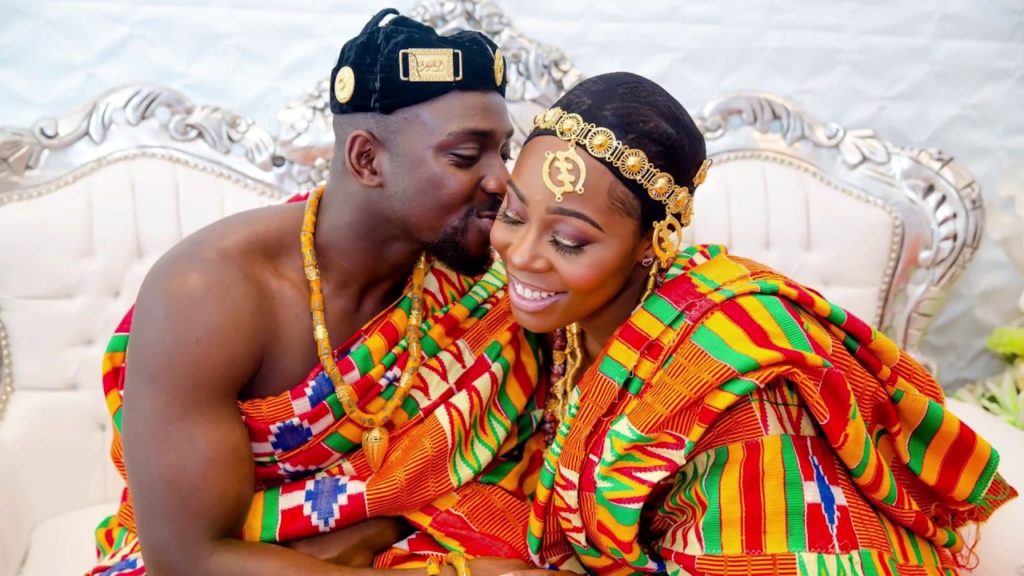
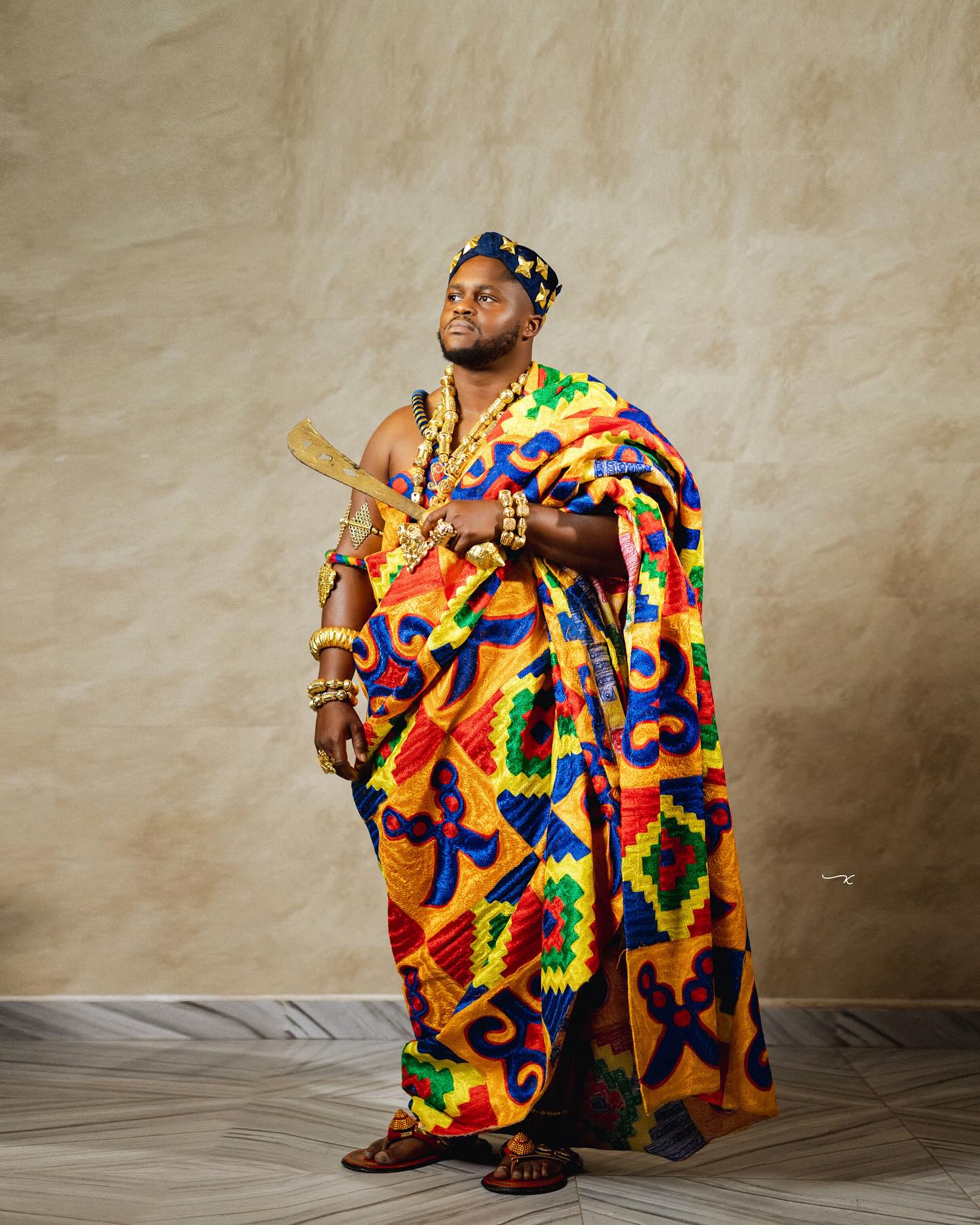
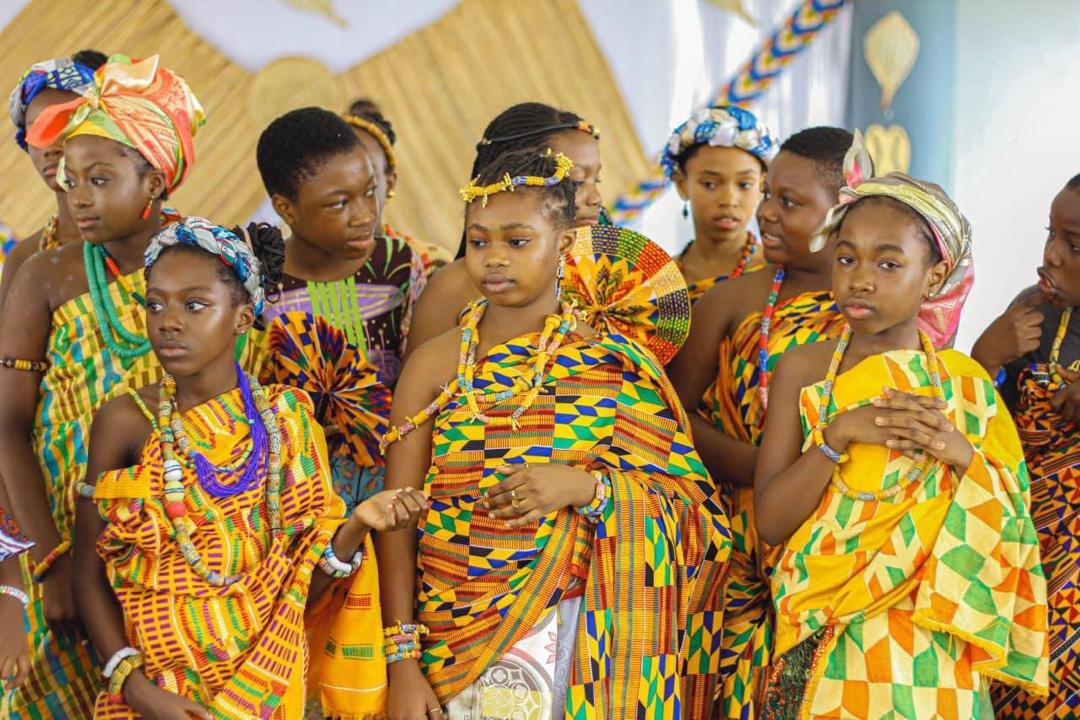
Kente
One of Ghana's most recognizable textiles, woven with bright colors and patterns that each carry symbolic meaning. Traditionally associated with royalty, ceremony, and prestige, Kente speaks of history, wisdom, leadership, spirituality, and identity.
Worn across Ghana and the diaspora as cultural pride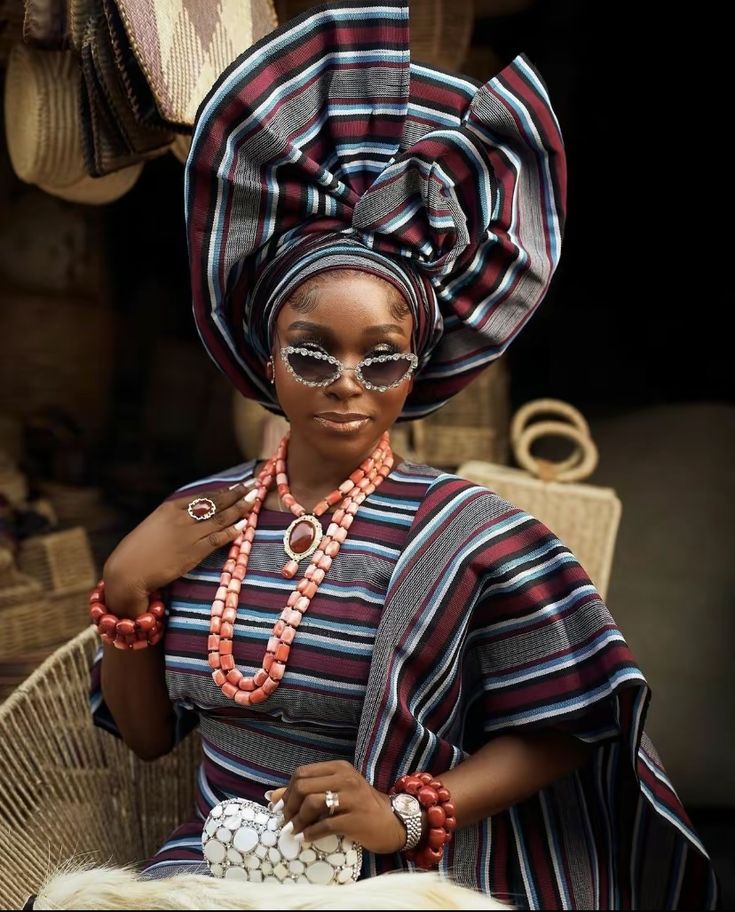
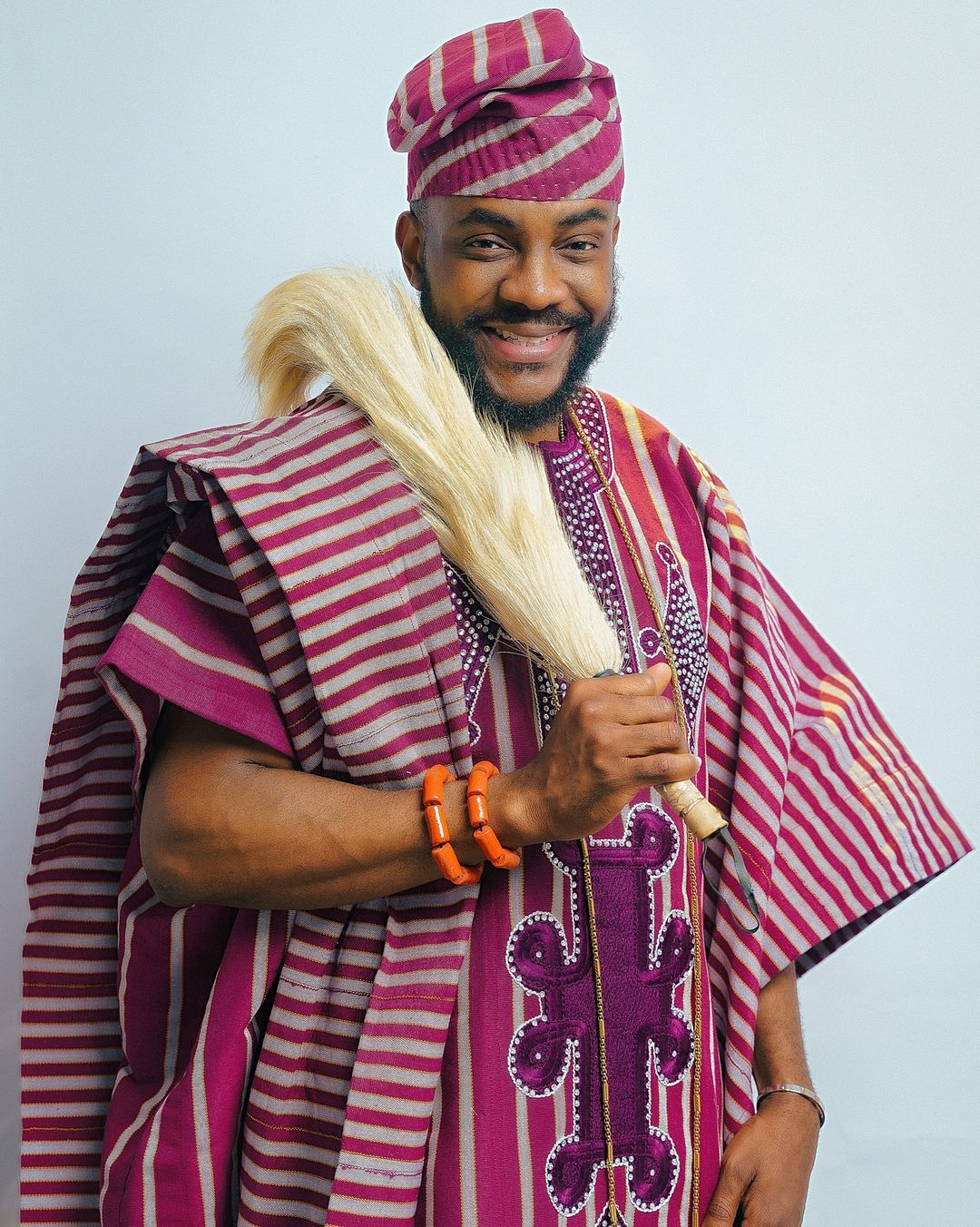
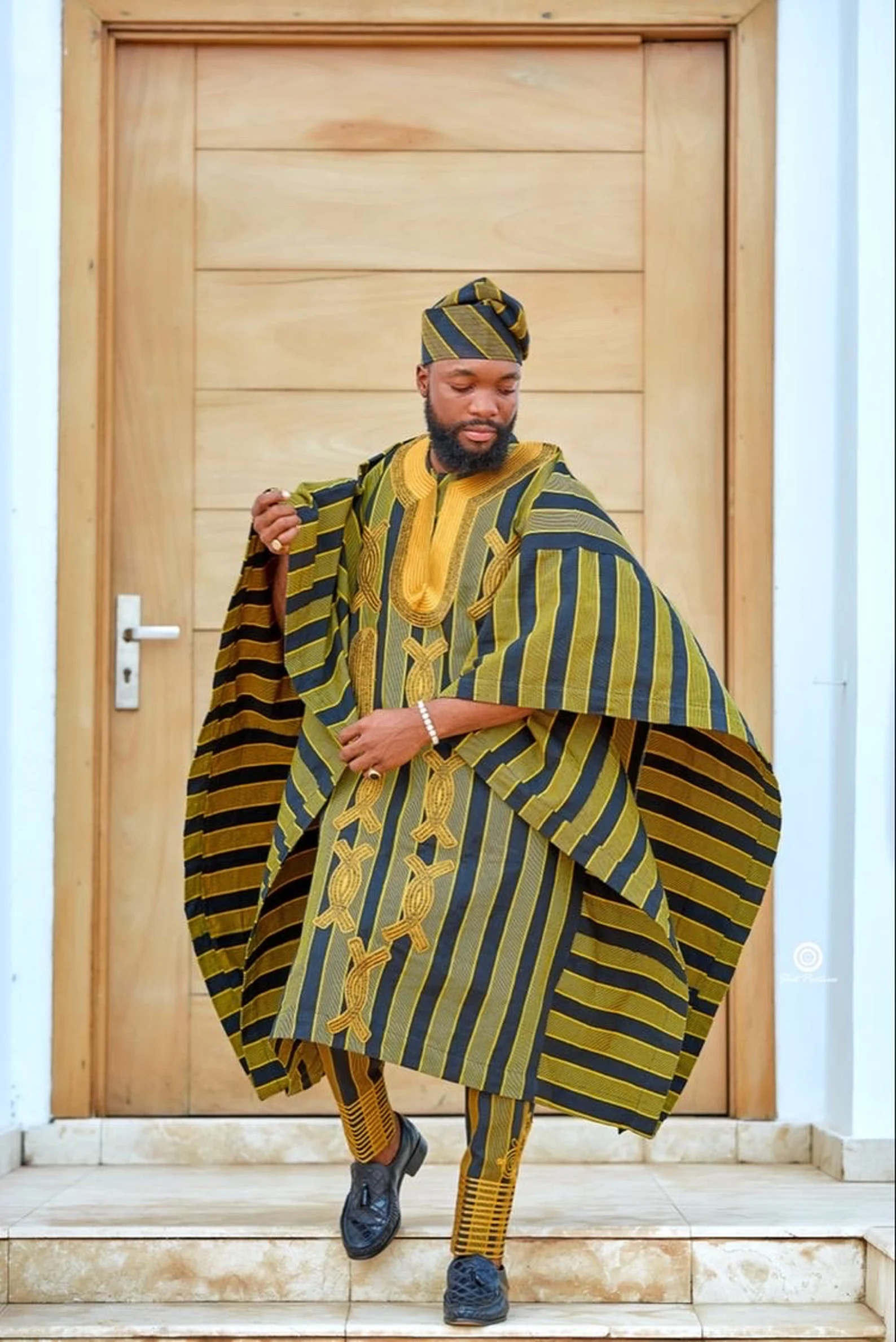
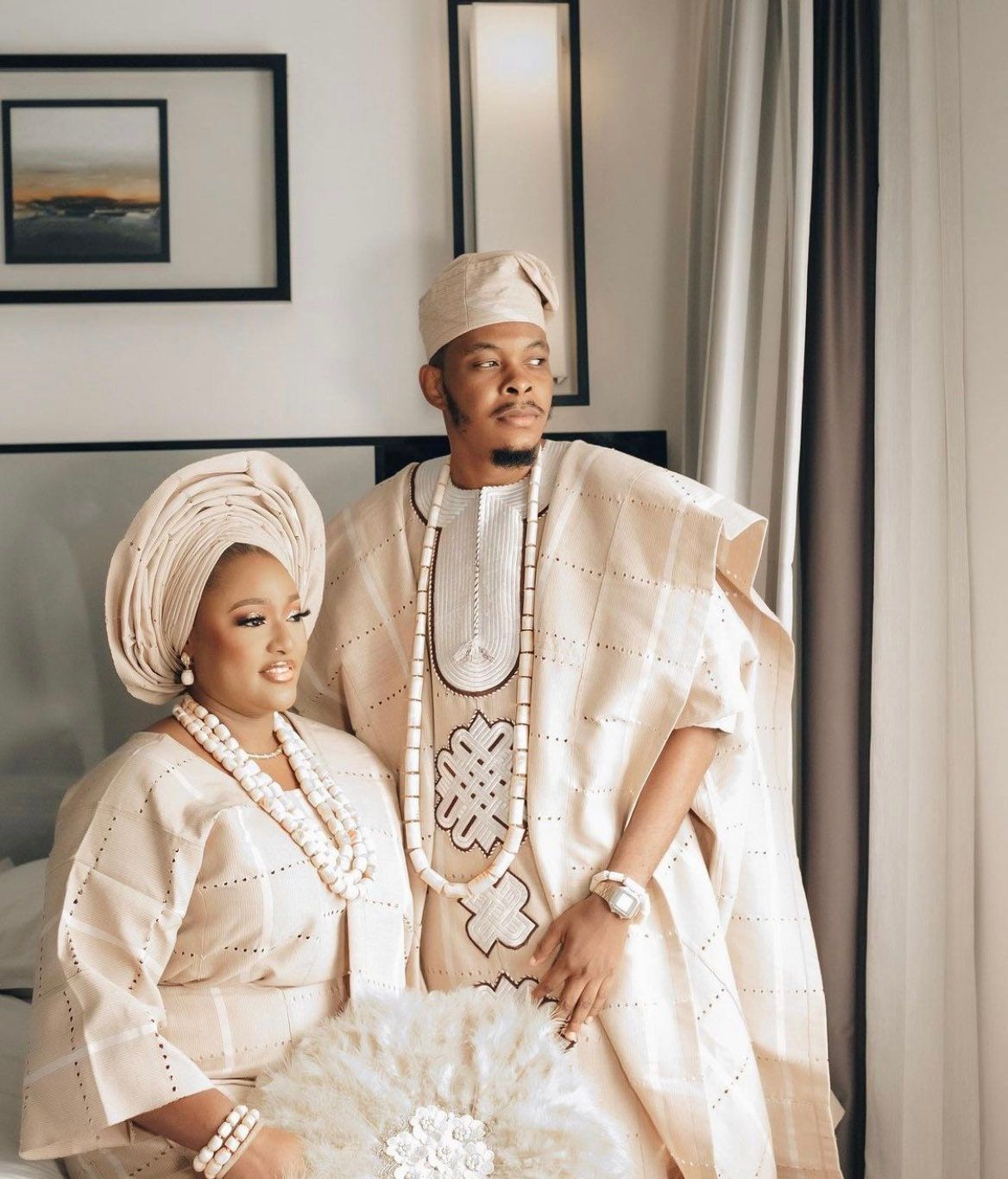
Aso Oke
A handwoven Yoruba textile worn during weddings, naming ceremonies, festivals, and important celebrations. Its rich textures and elegant designs are central to expressions of beauty, status, family, and communal belonging.
Central to Yoruba tradition and contemporary African fashion
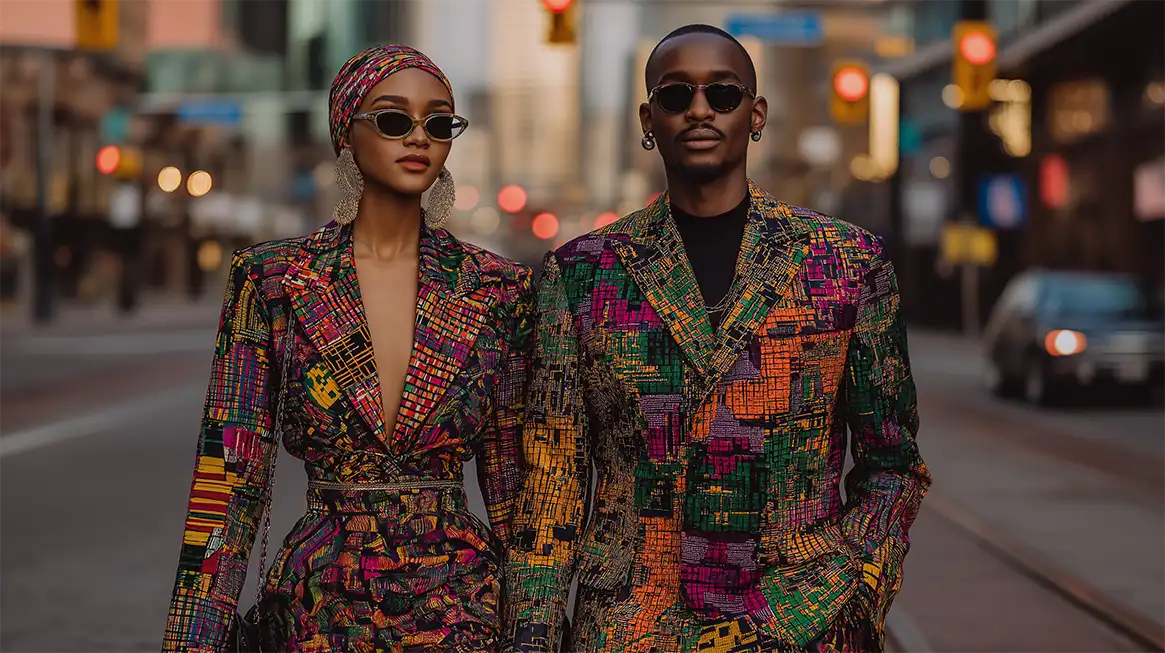
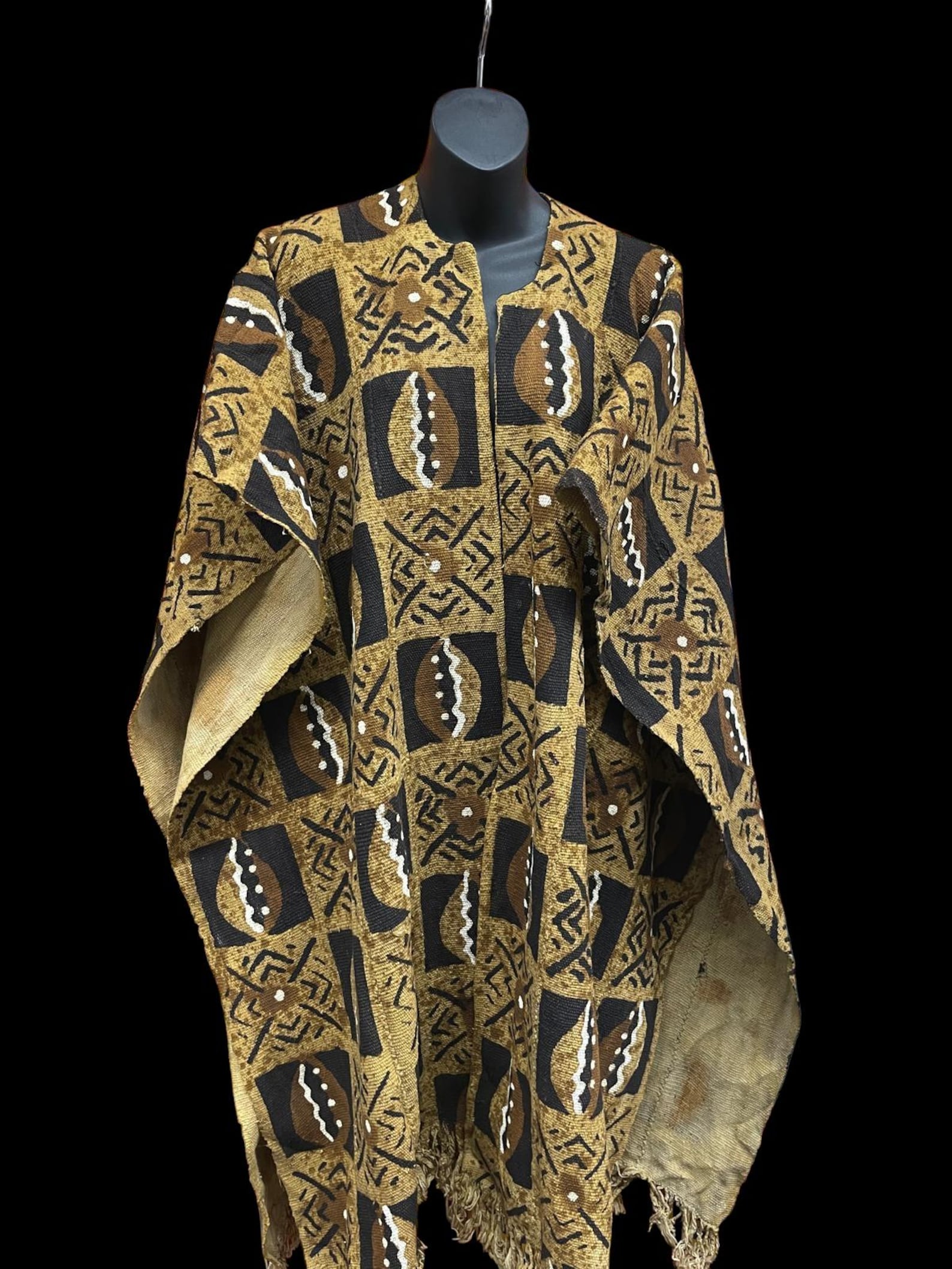
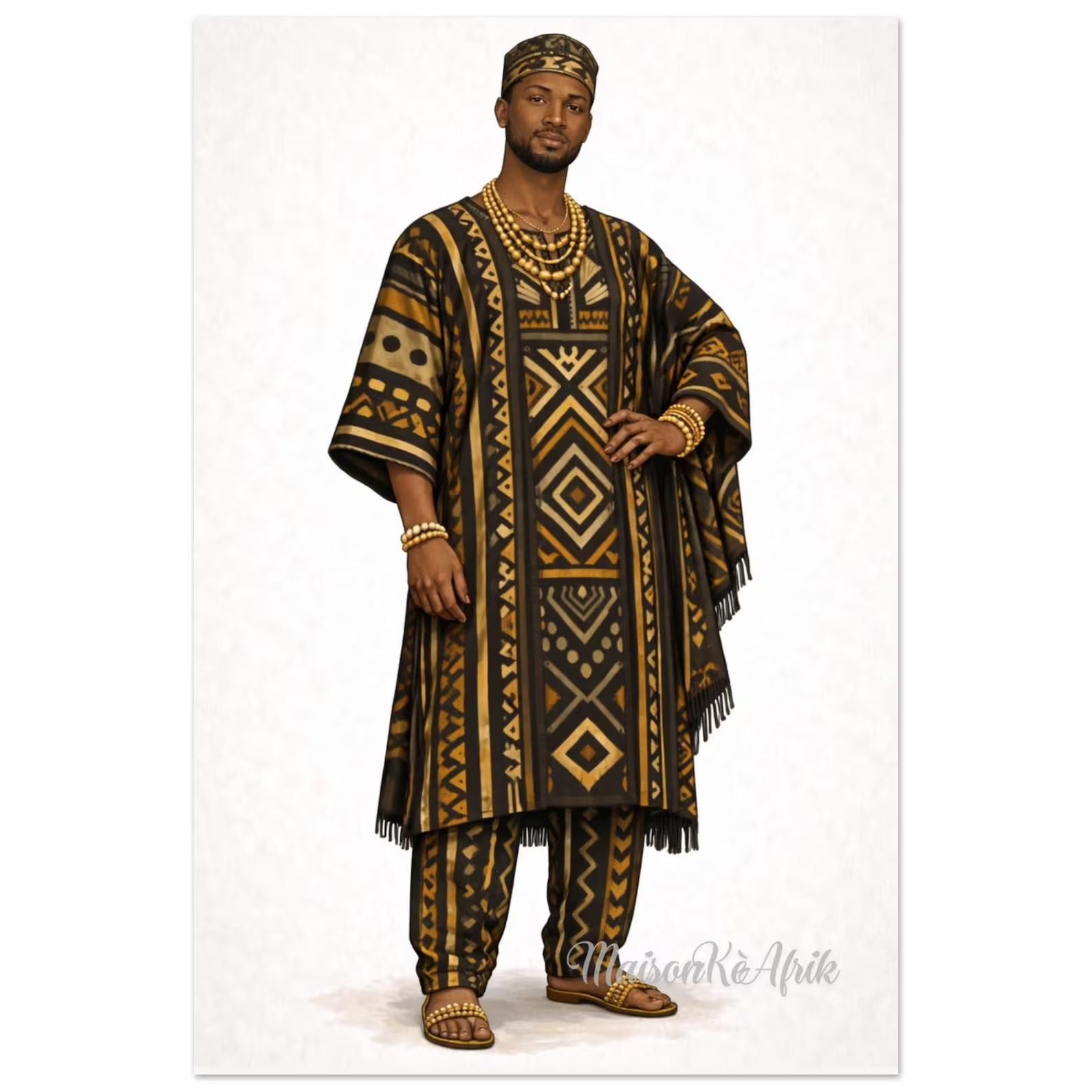
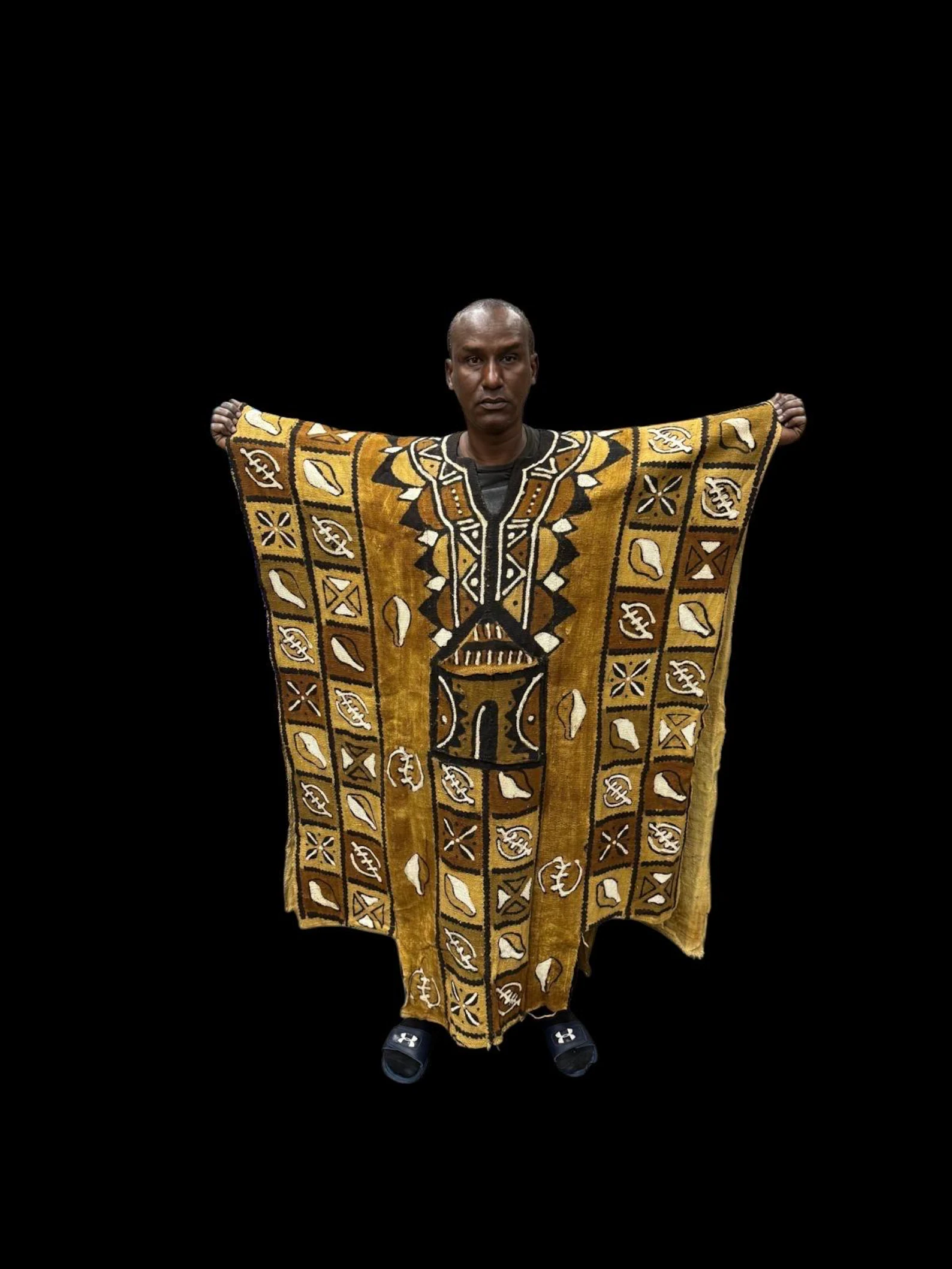
Bogolanfini
Known as mud cloth, this Malian textile is made by dyeing fabric with fermented mud and natural pigments. Each pattern carries cultural meanings connected to history, protection, identity, and social memory.
Globally recognized while holding deep importance in Mali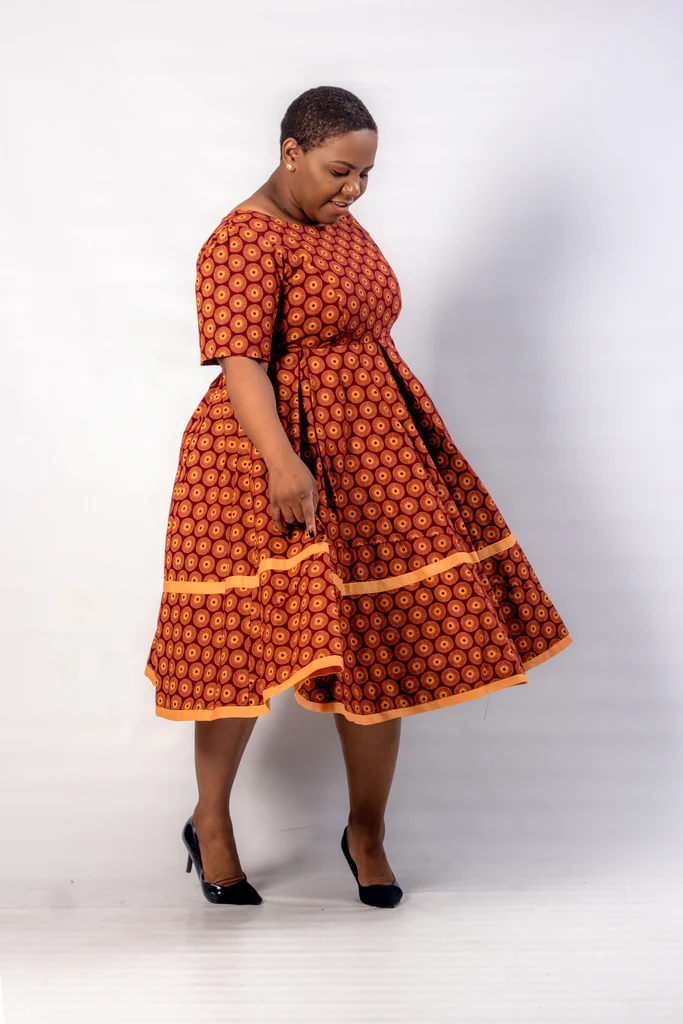
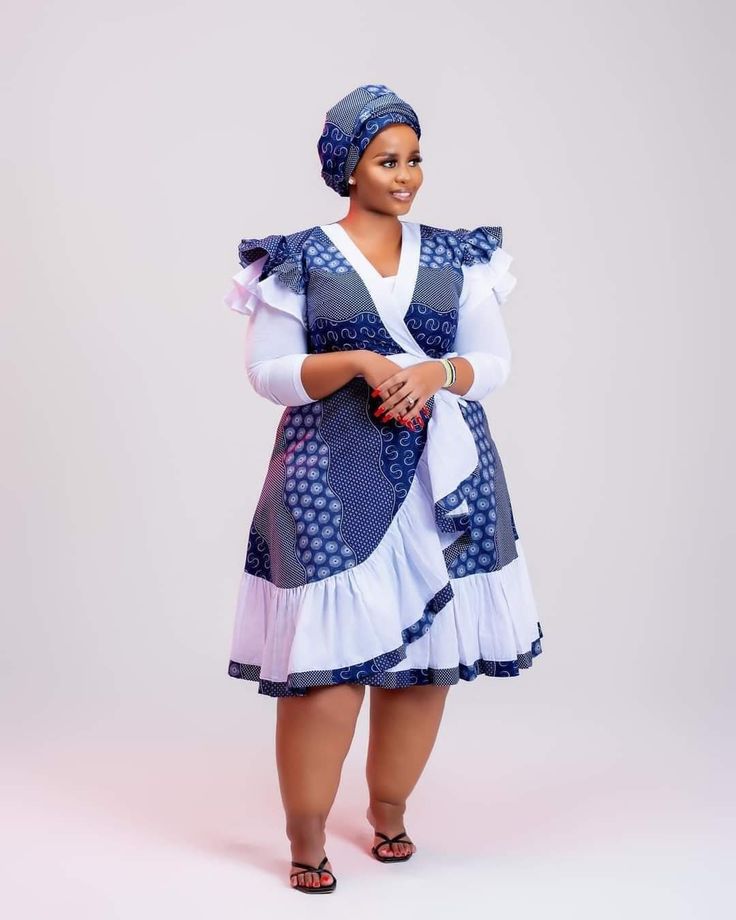
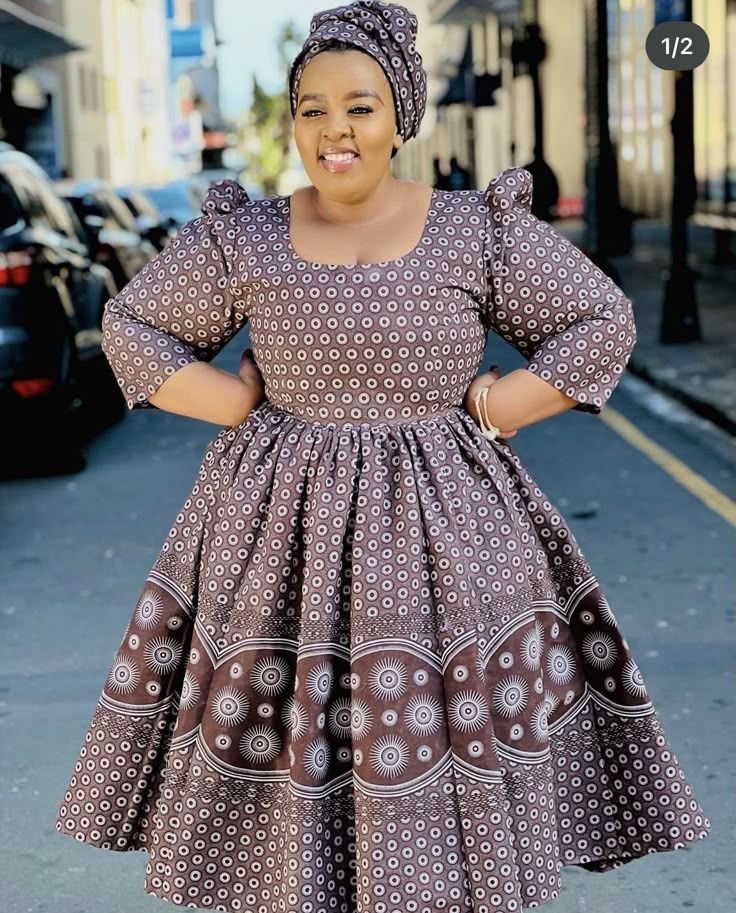
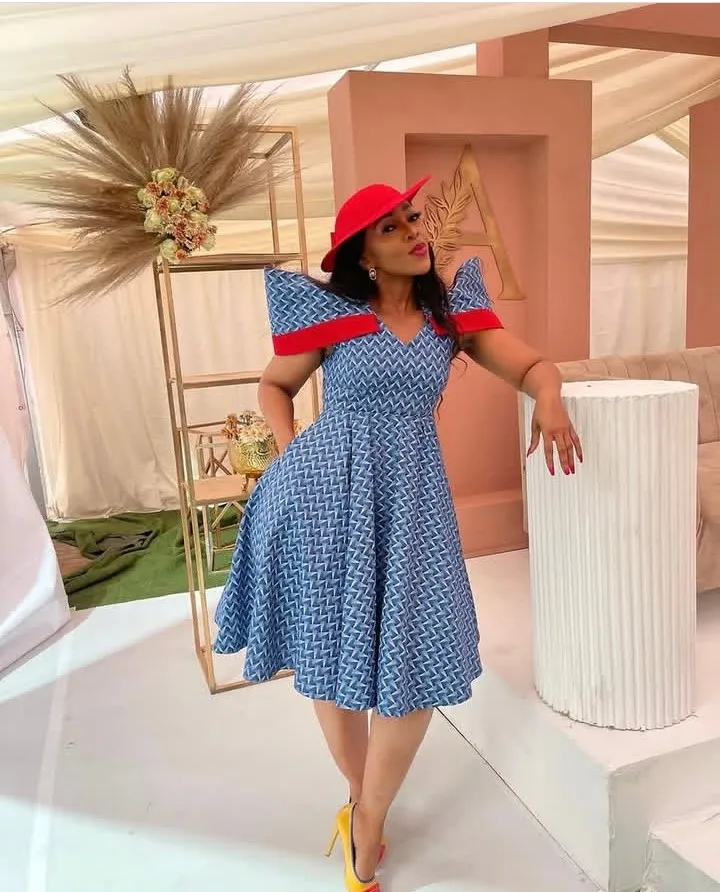
Shweshwe
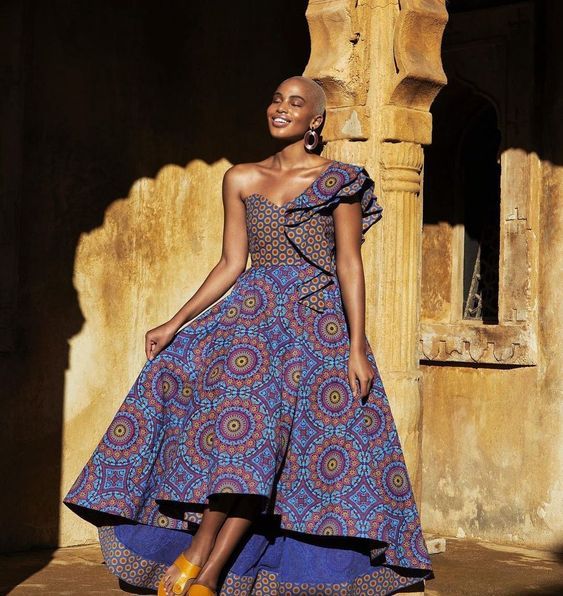
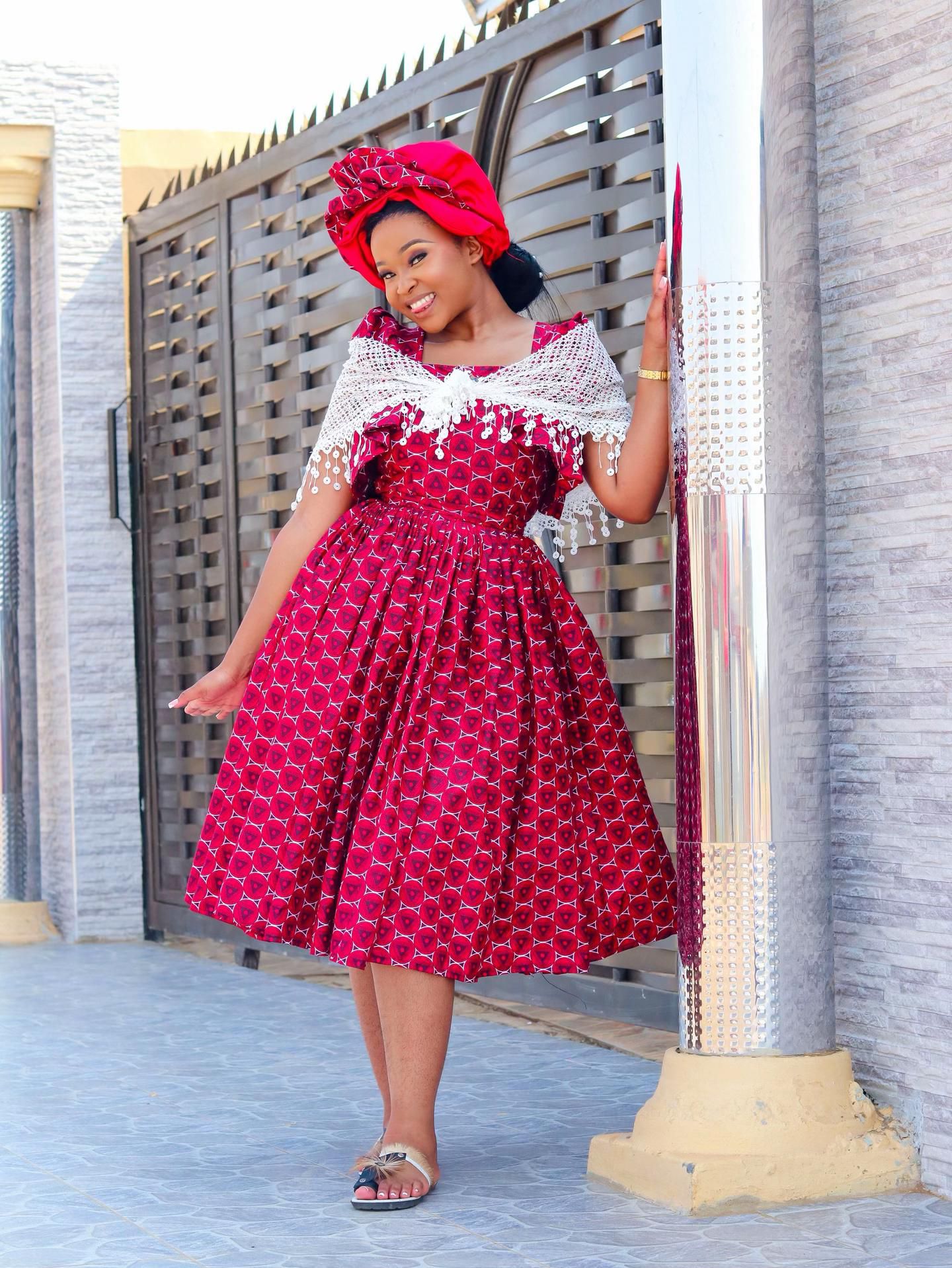
A printed cotton fabric widely used in South African fashion — for dresses, ceremonial clothing, and modern designs. Its detailed geometric patterns and bold colors represent adaptation, heritage, and creativity.
Shapes both heritage dressing and contemporary African style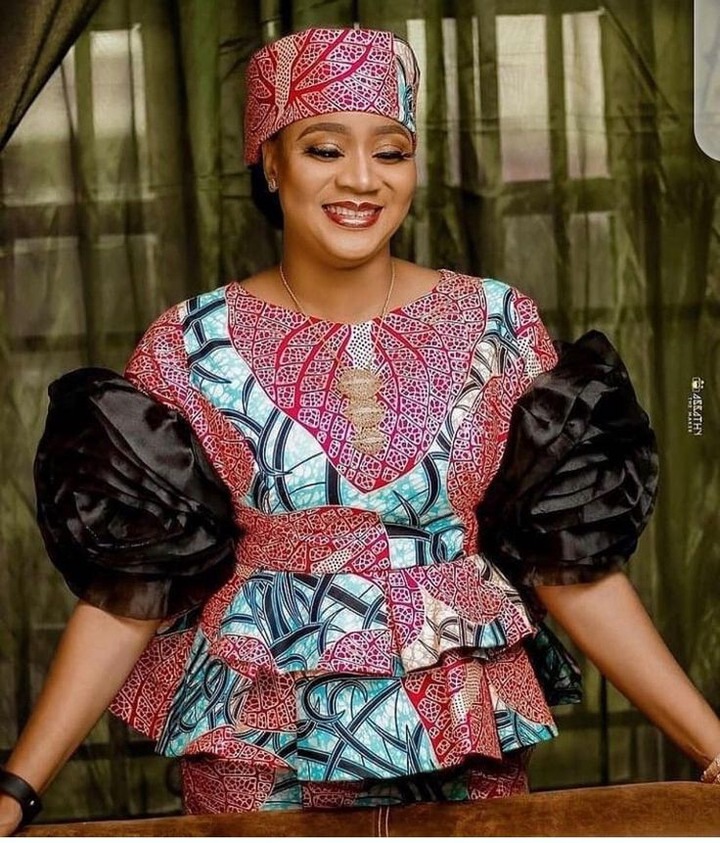
Ankara / Kitenge
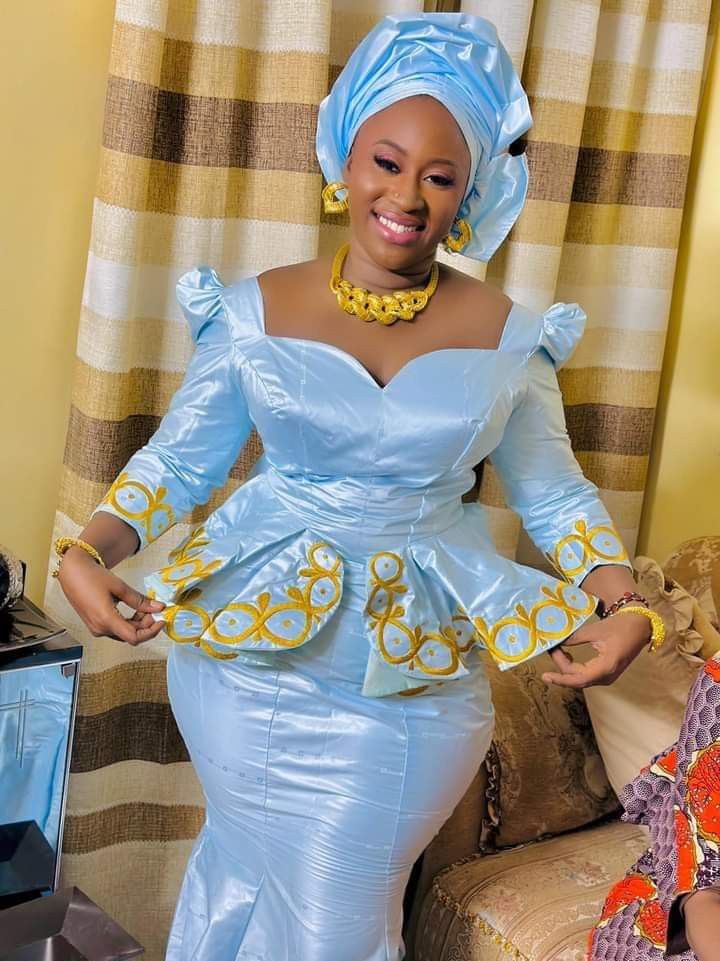
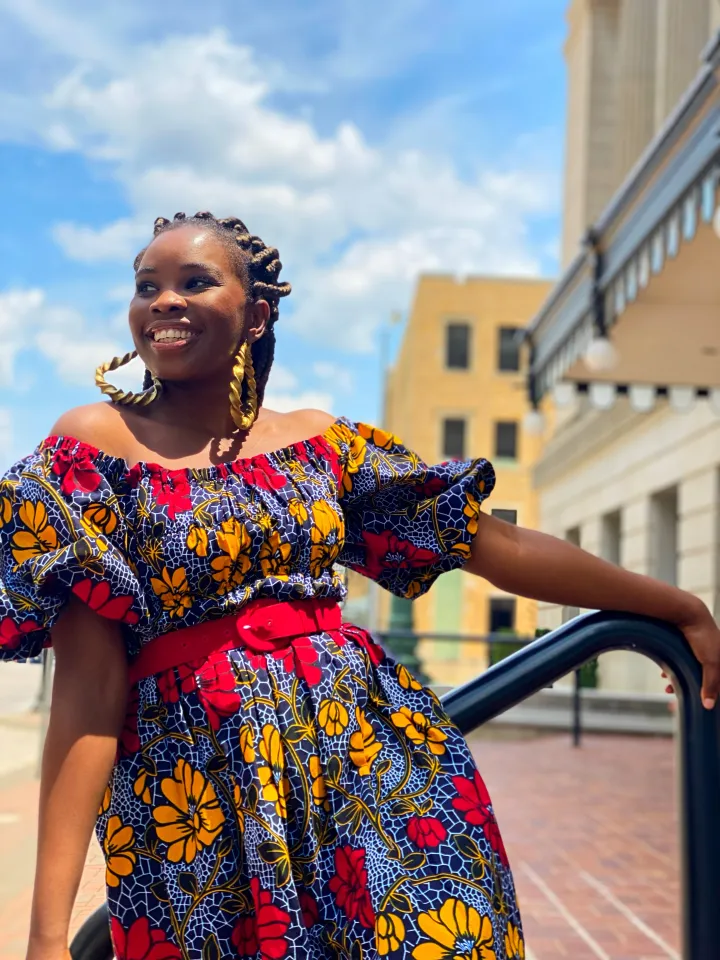
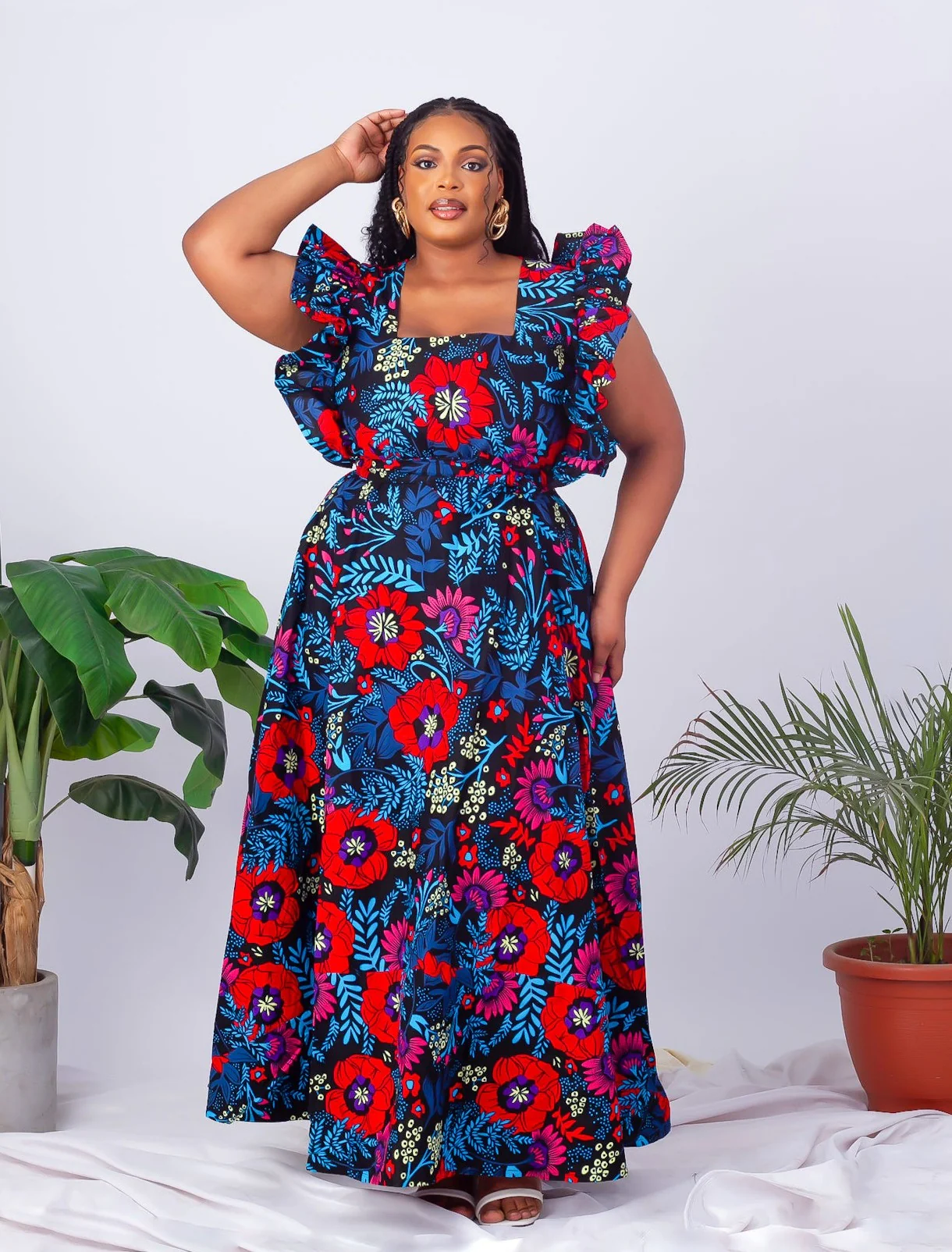
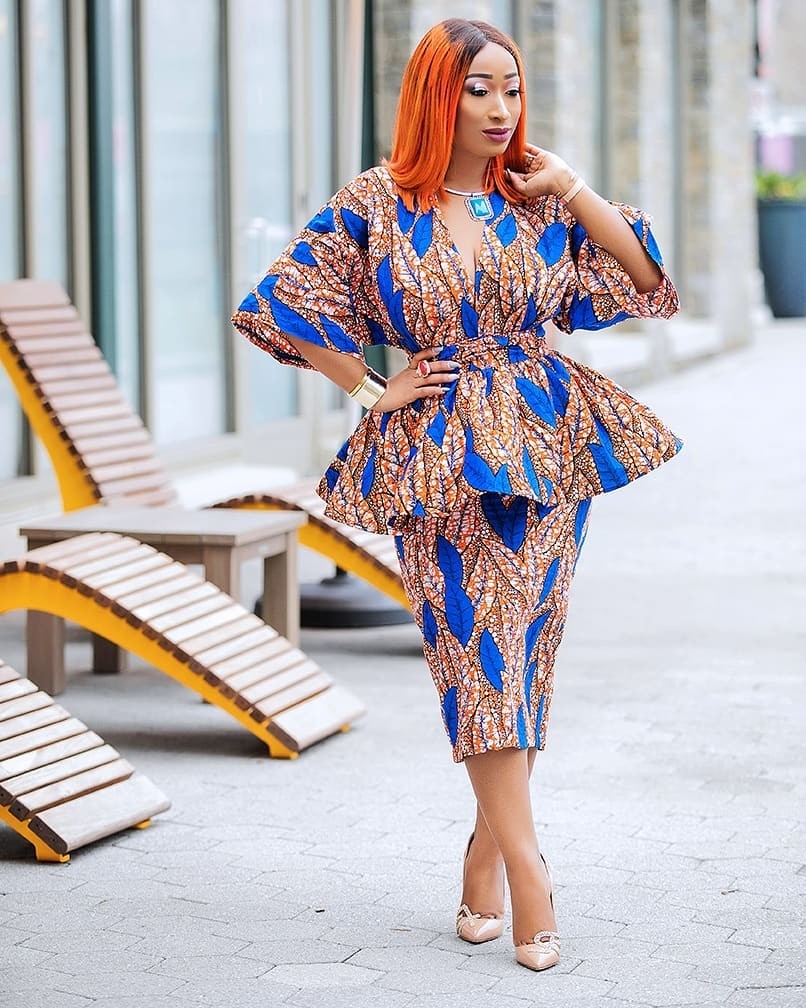
Colorful printed fabrics worn across Africa for everyday wear, formal clothing, headwraps, and contemporary fashion. Their flexible designs blend tradition with modern expression, making them a cornerstone of pan-African style.
A pan-African fabric of creativity and self-expression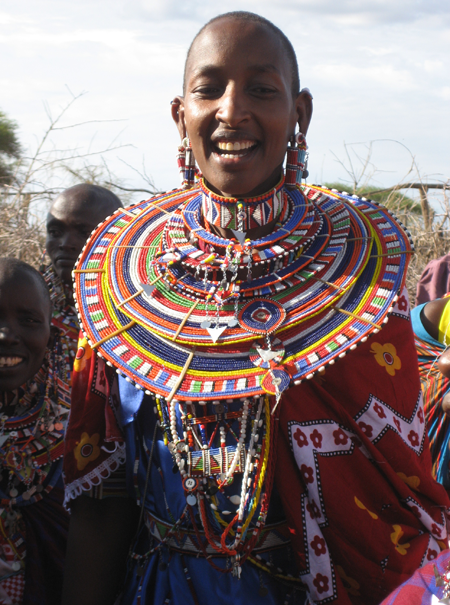
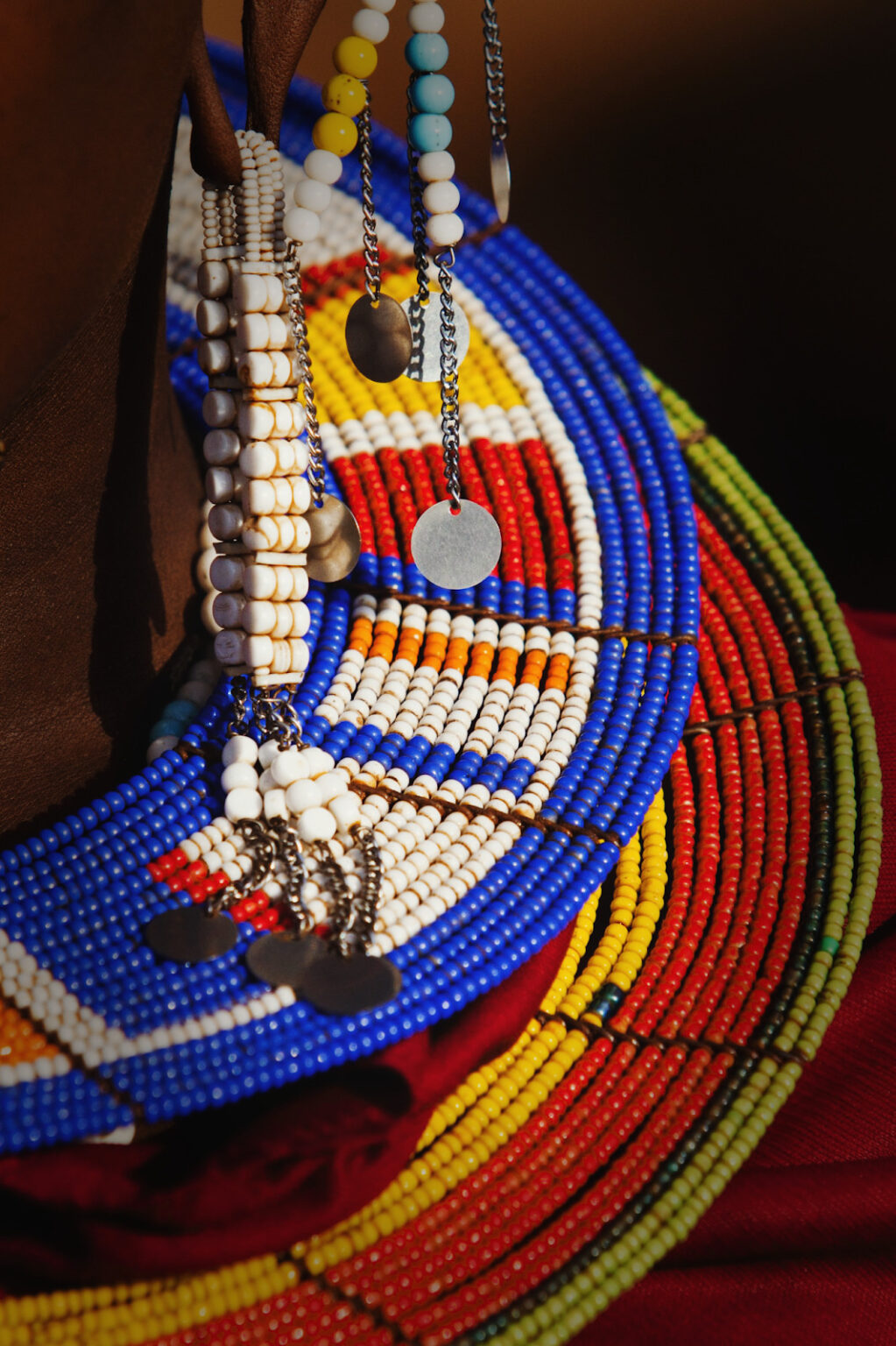
Maasai Beadwork
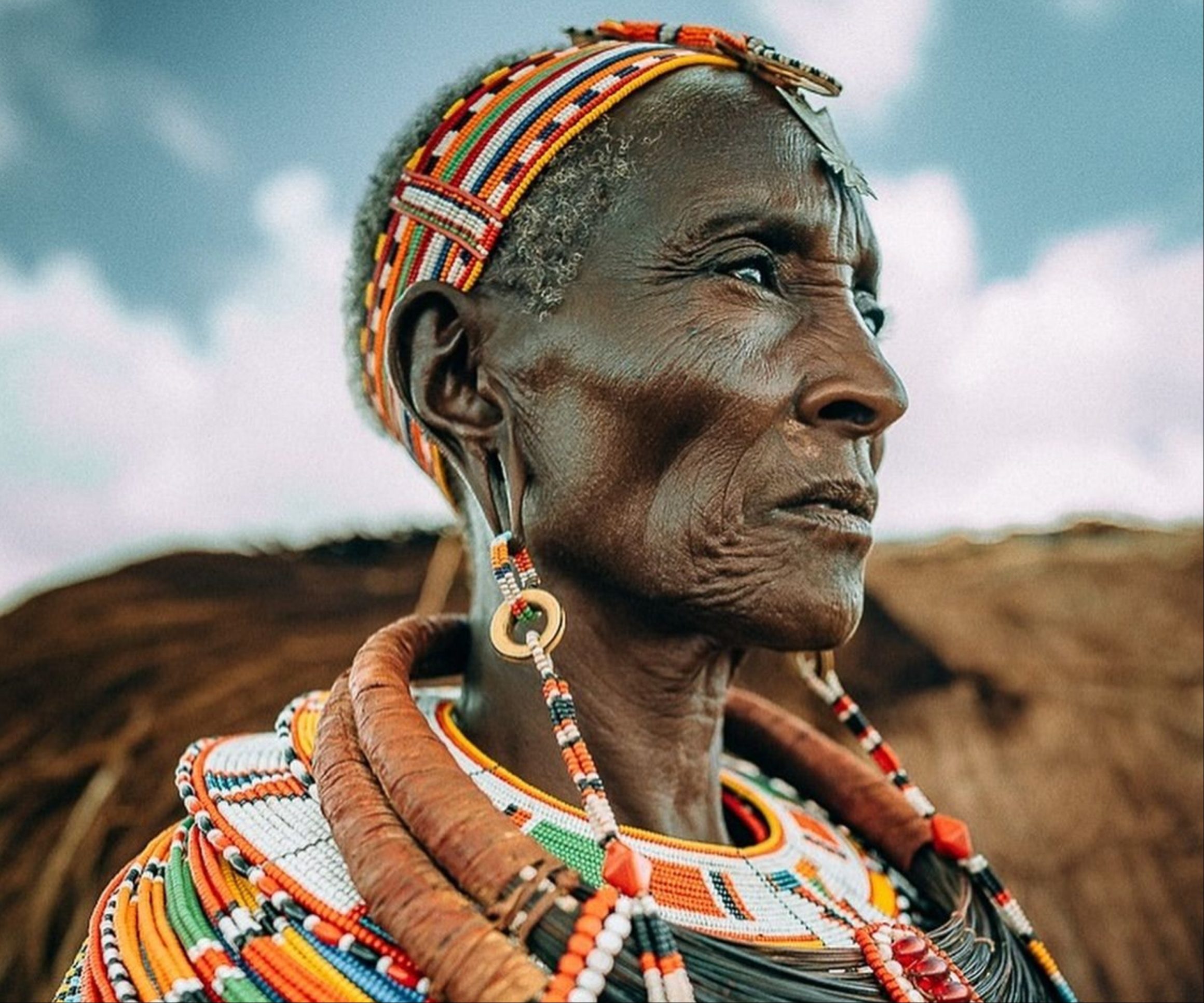
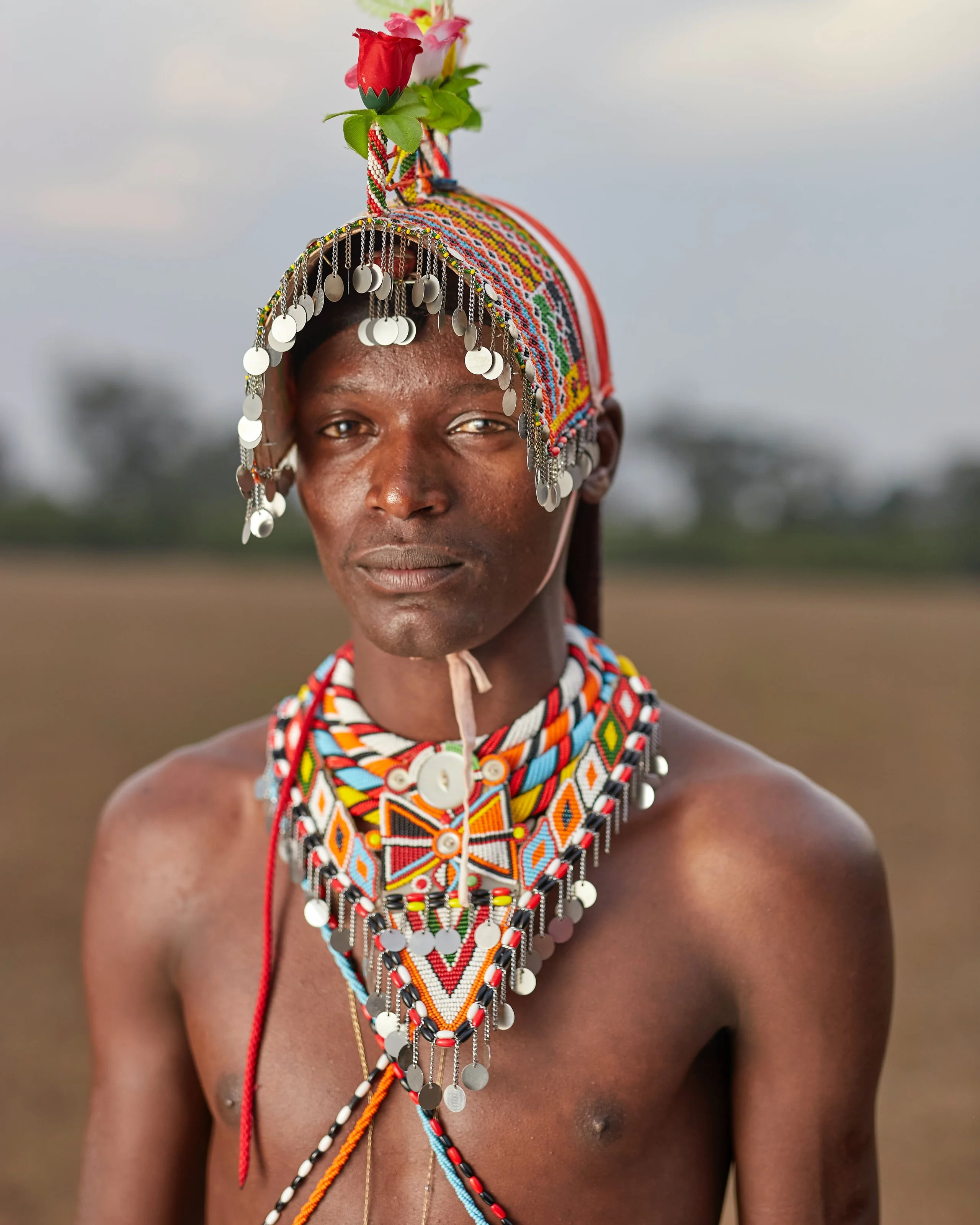
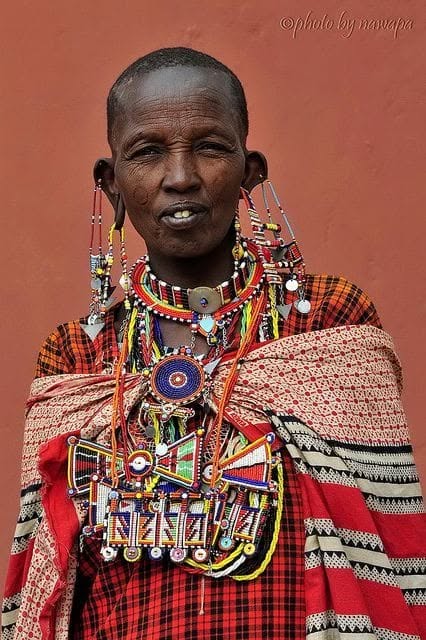
Vibrant colors, circular forms, and symbolic patterns that communicate age, identity, beauty, and social status. Worn as necklaces, bracelets, earrings, and decorative pieces, Maasai beadwork is one of East Africa's most visually powerful beauty traditions.
A living language of identity worn on the body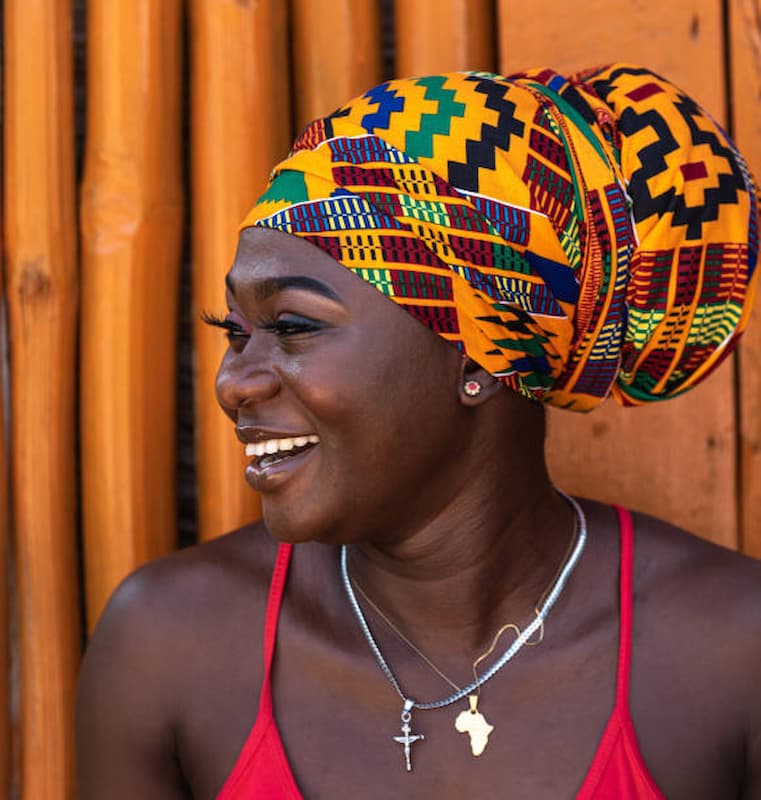
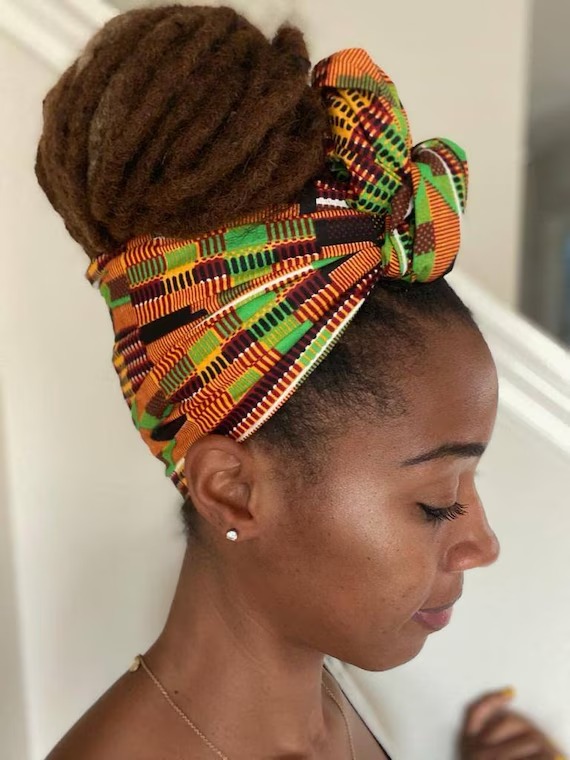
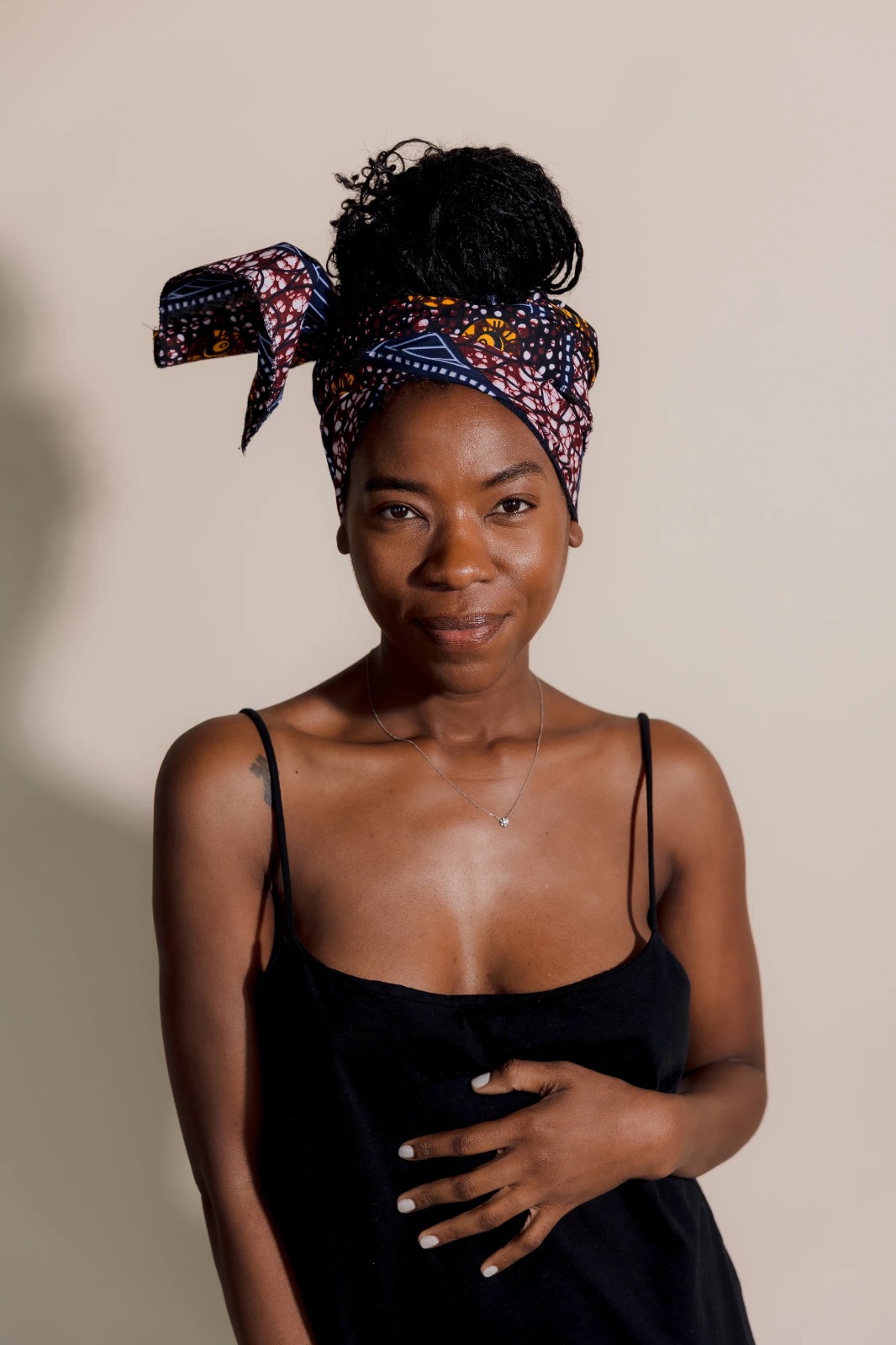
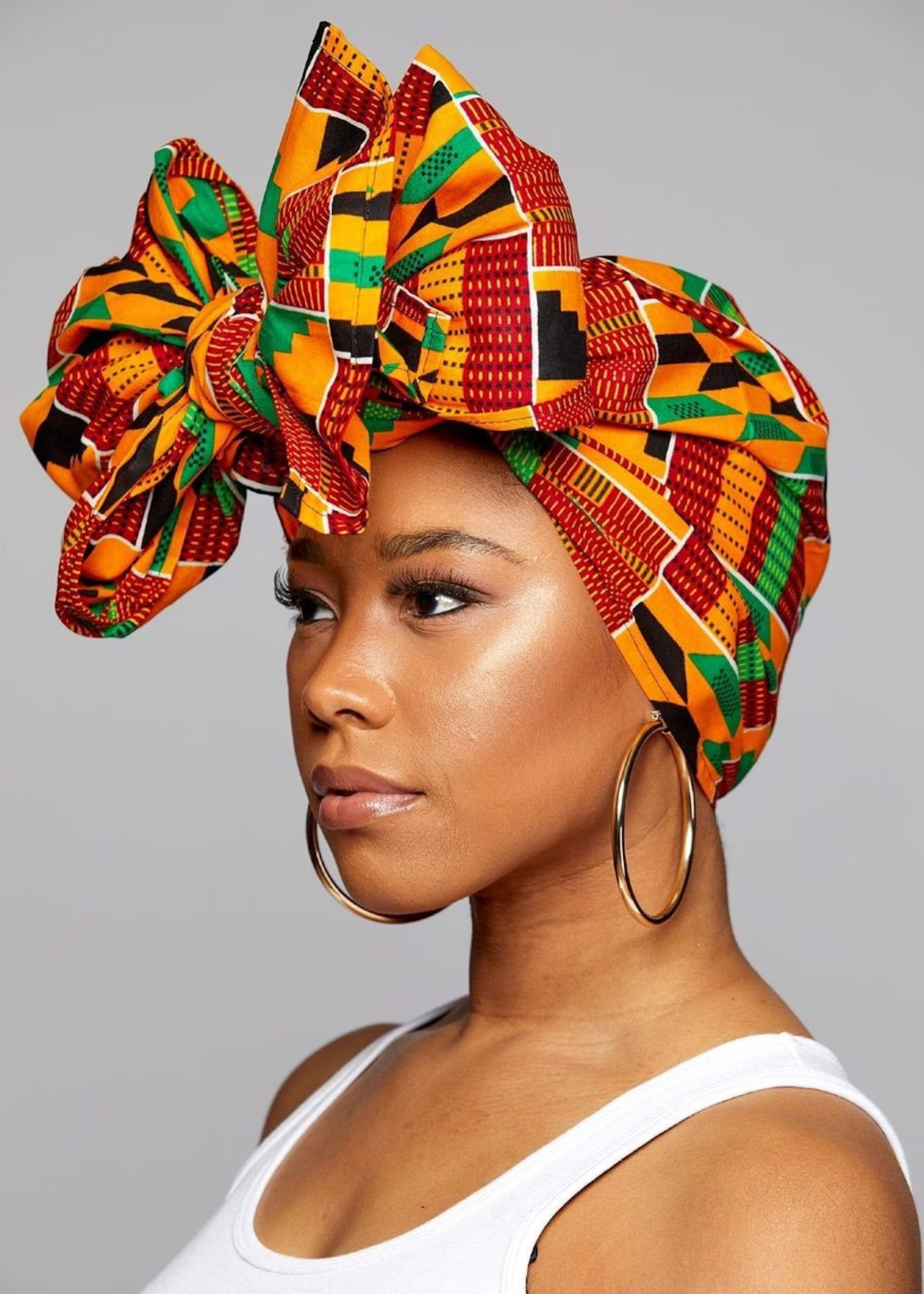
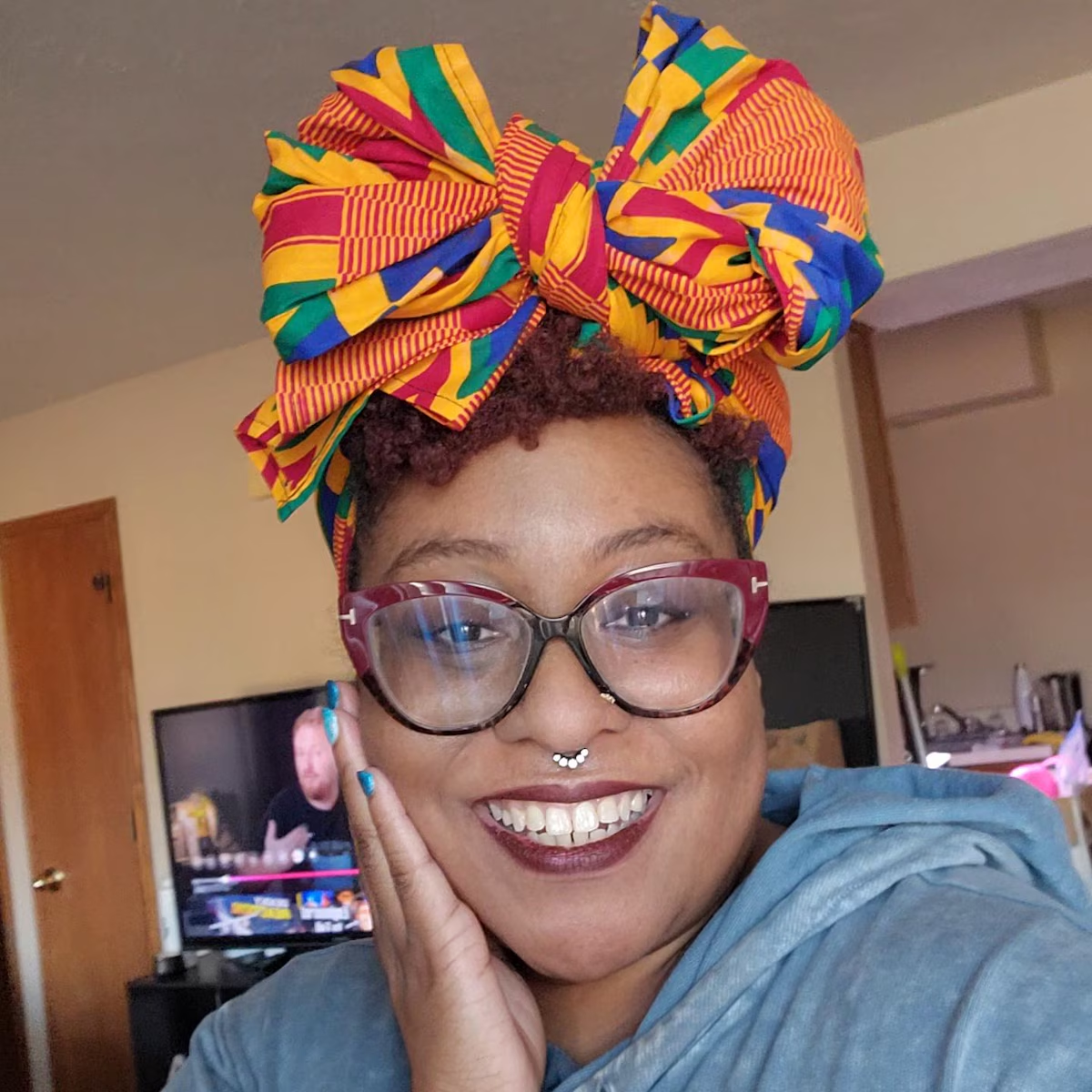
Headwraps
Worn across many African societies as symbols of beauty, dignity, spirituality, marital status, and cultural belonging. In the diaspora, headwraps also carry resistance, pride, and reconnection to African identity.
Known by different names across regions and communities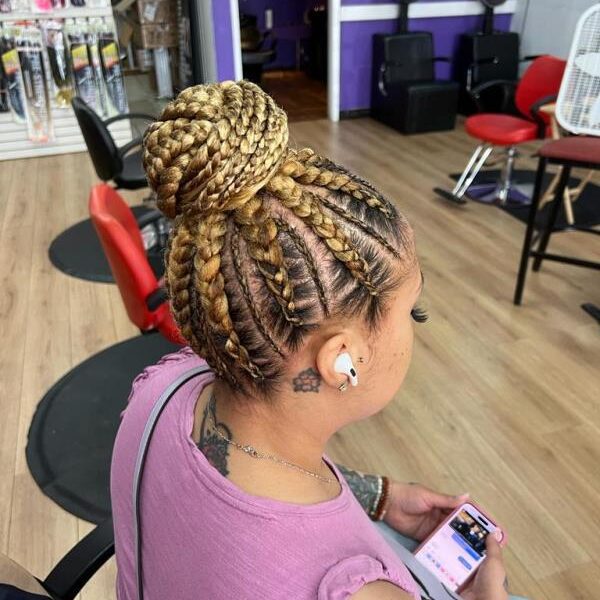
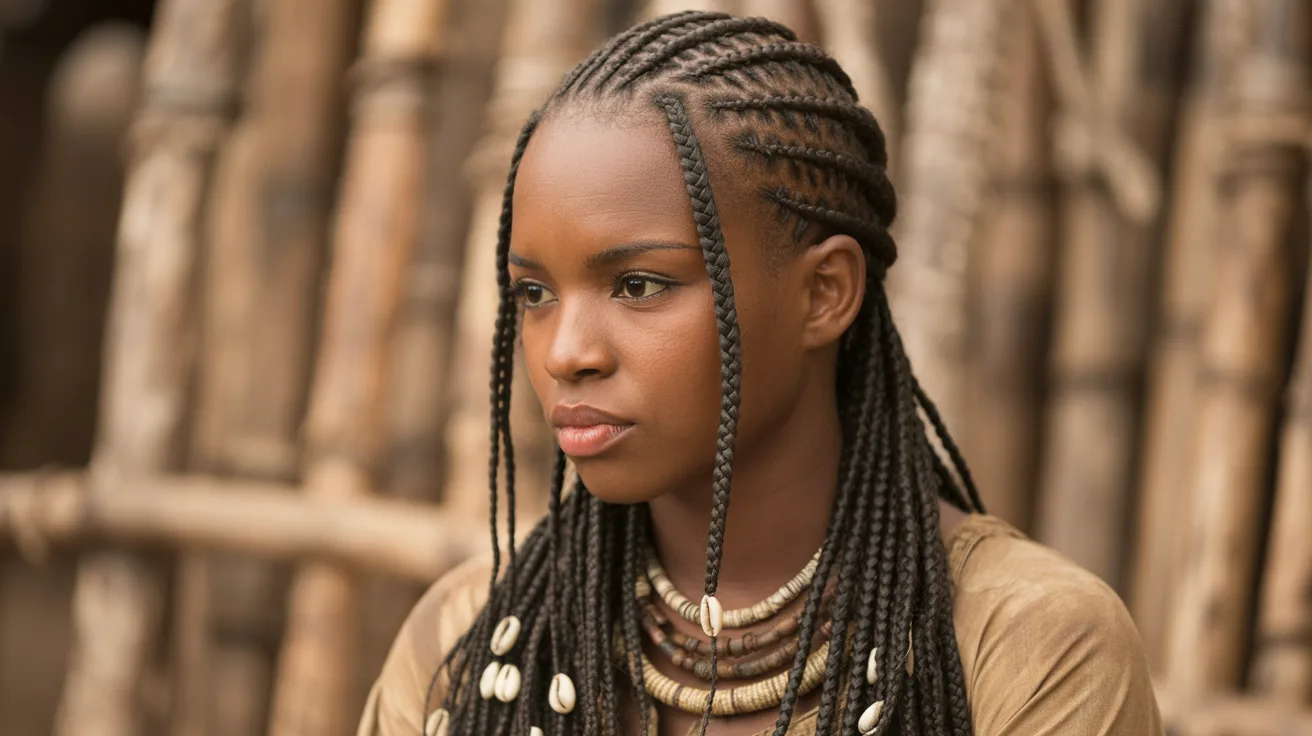
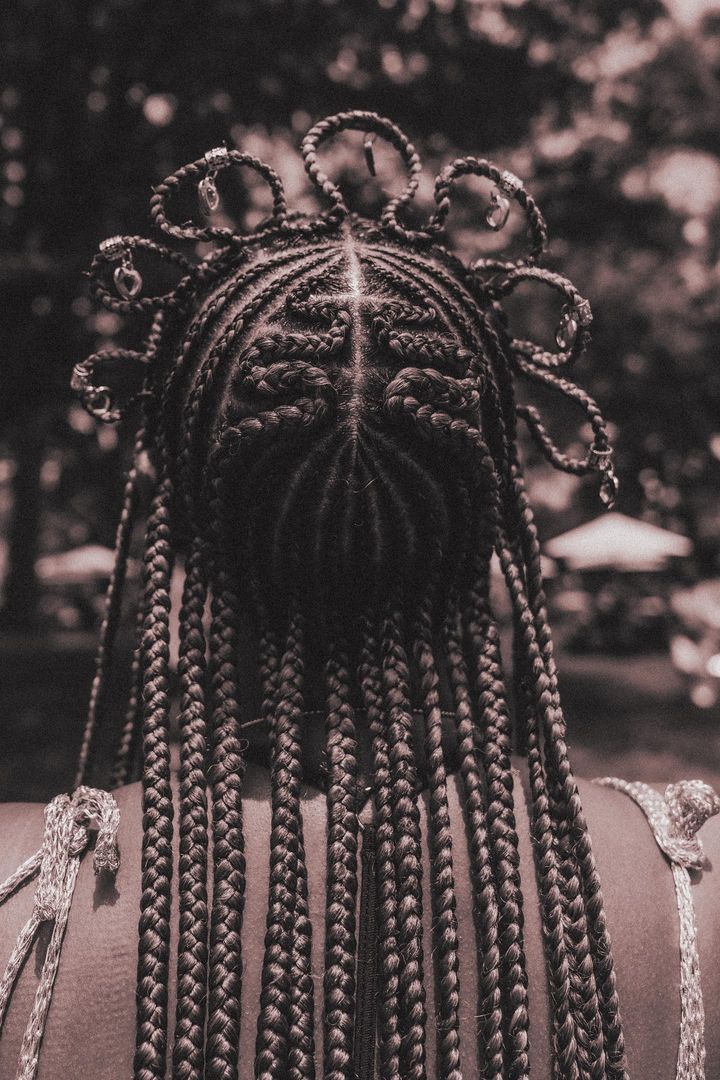
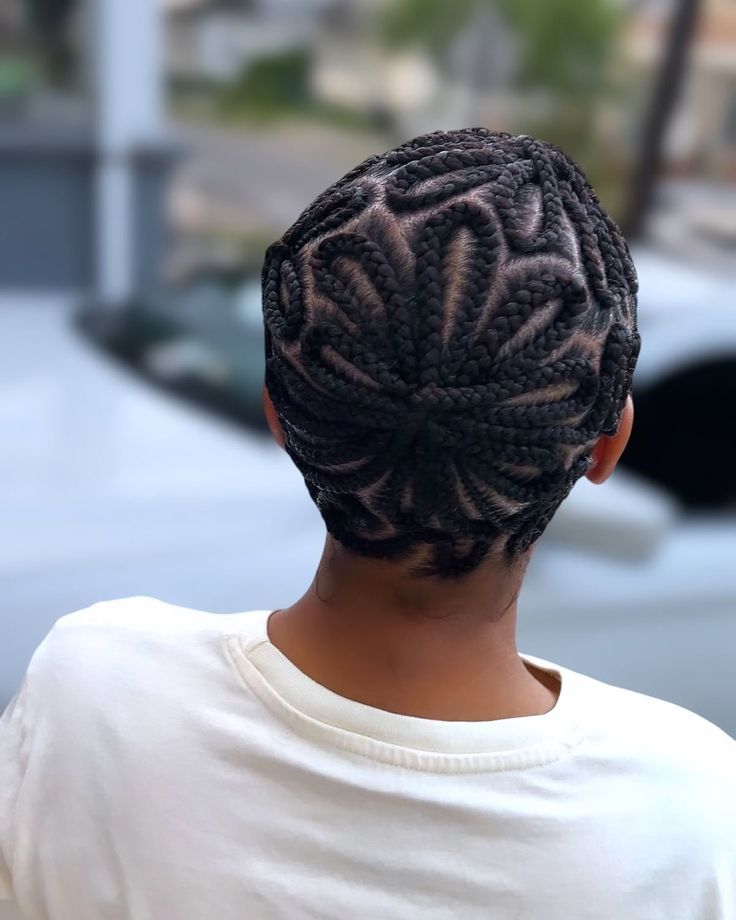
Hair Braiding
One of the most enduring beauty traditions across Africa and the diaspora. Cornrows, twists, locs, and intricate braided patterns communicate identity, age, creativity, heritage, and community — connecting generations through care, artistry, and story.
Braiding connects generations through care, artistry, and story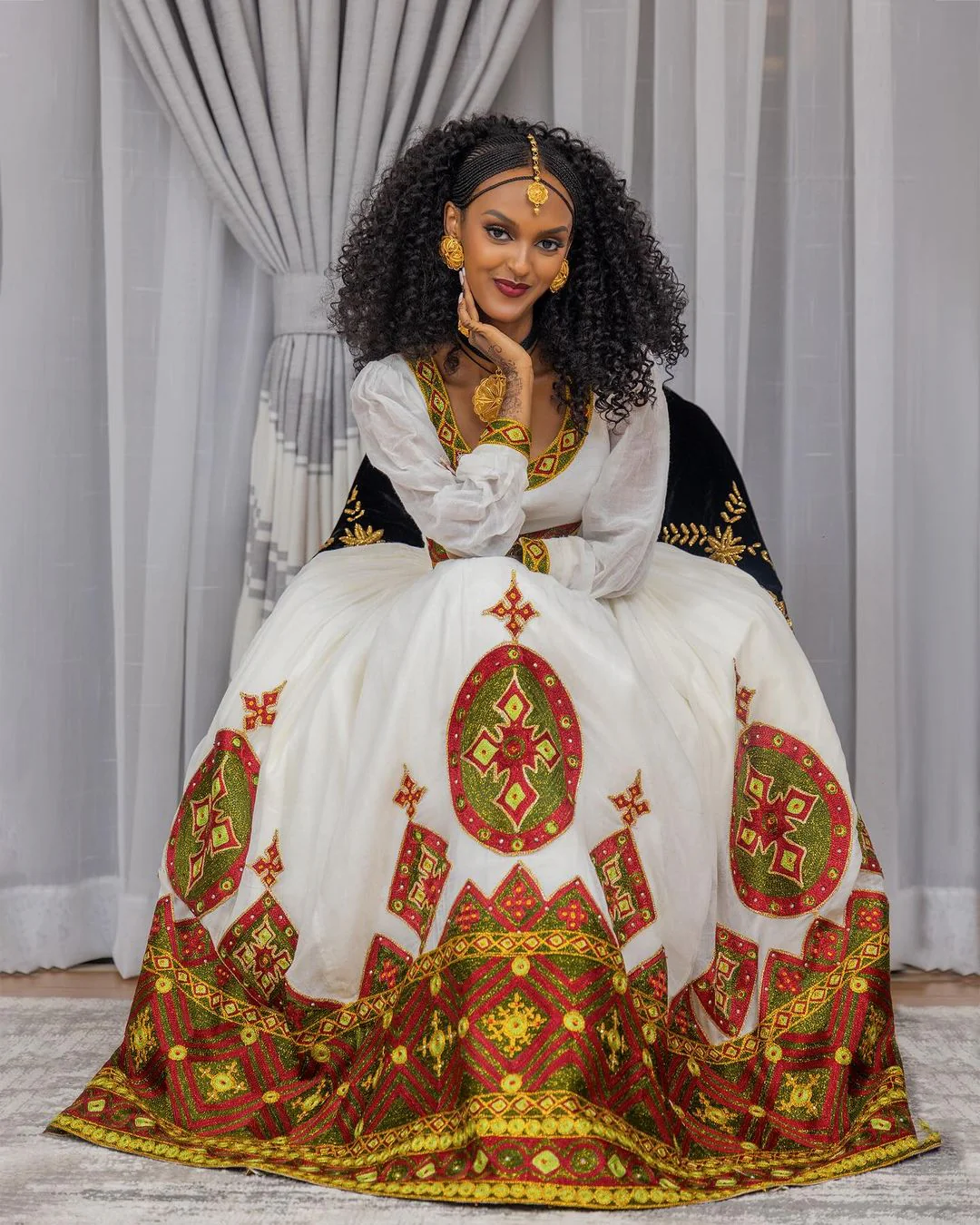
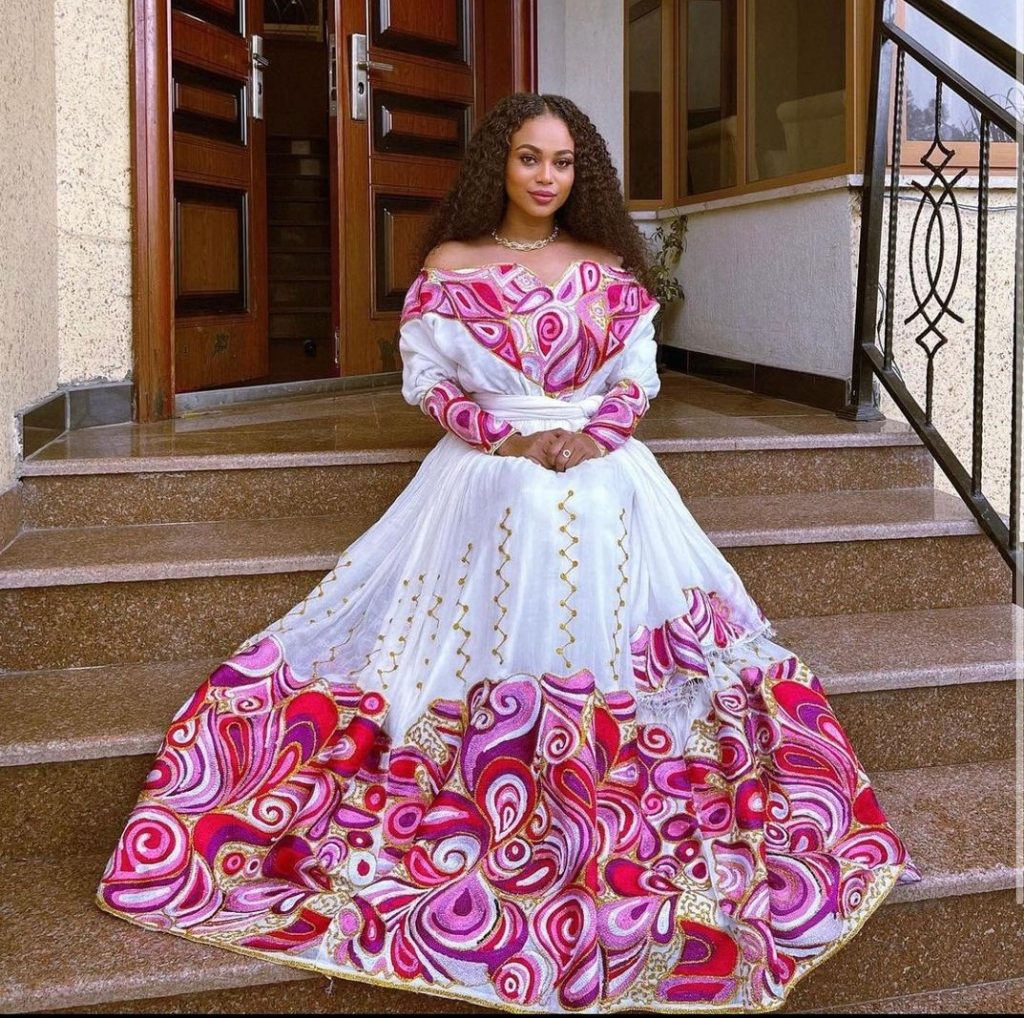
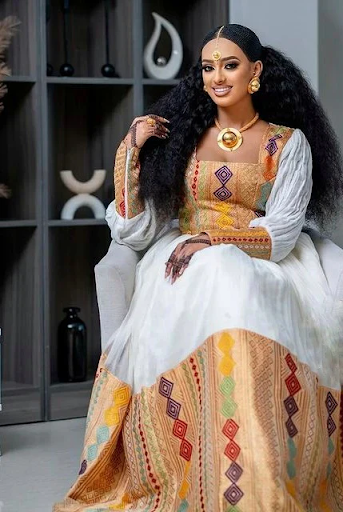
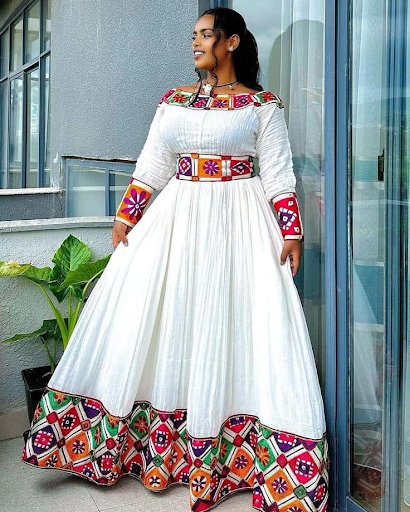
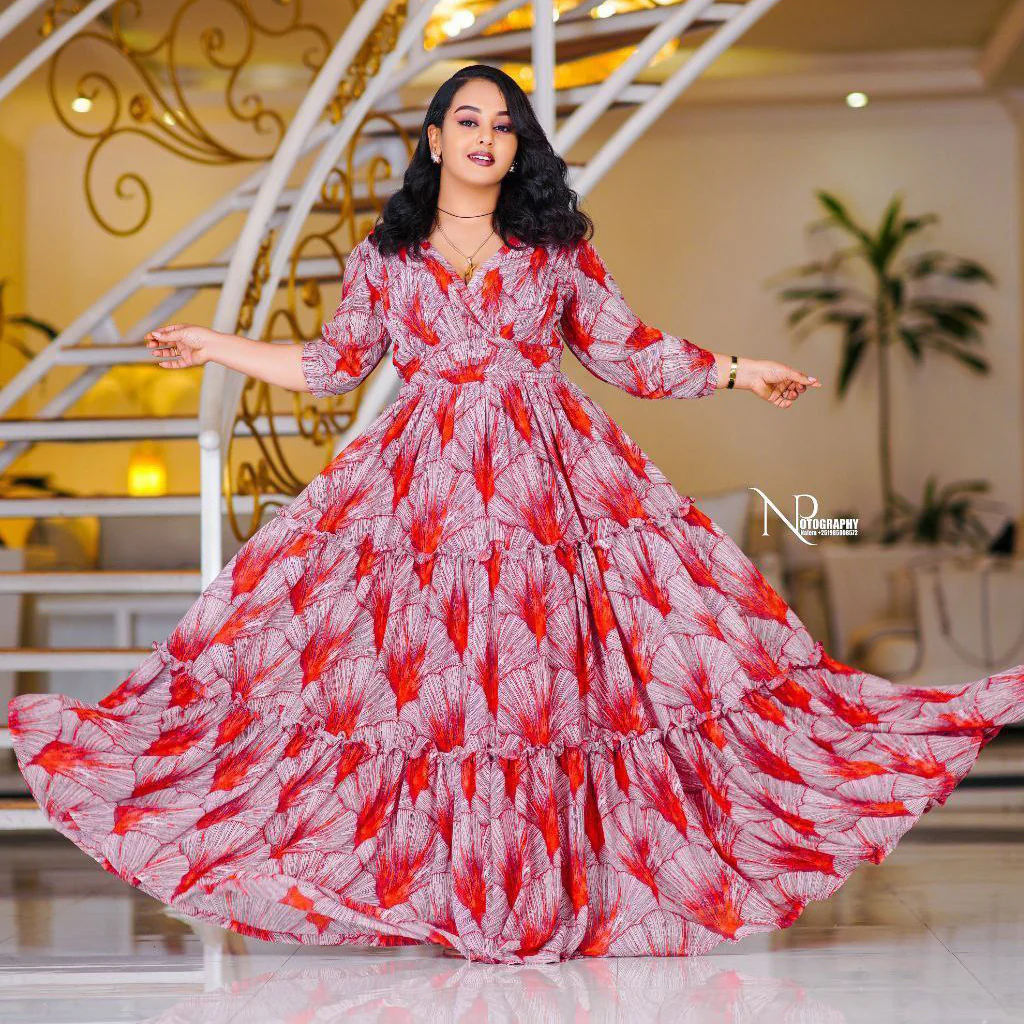
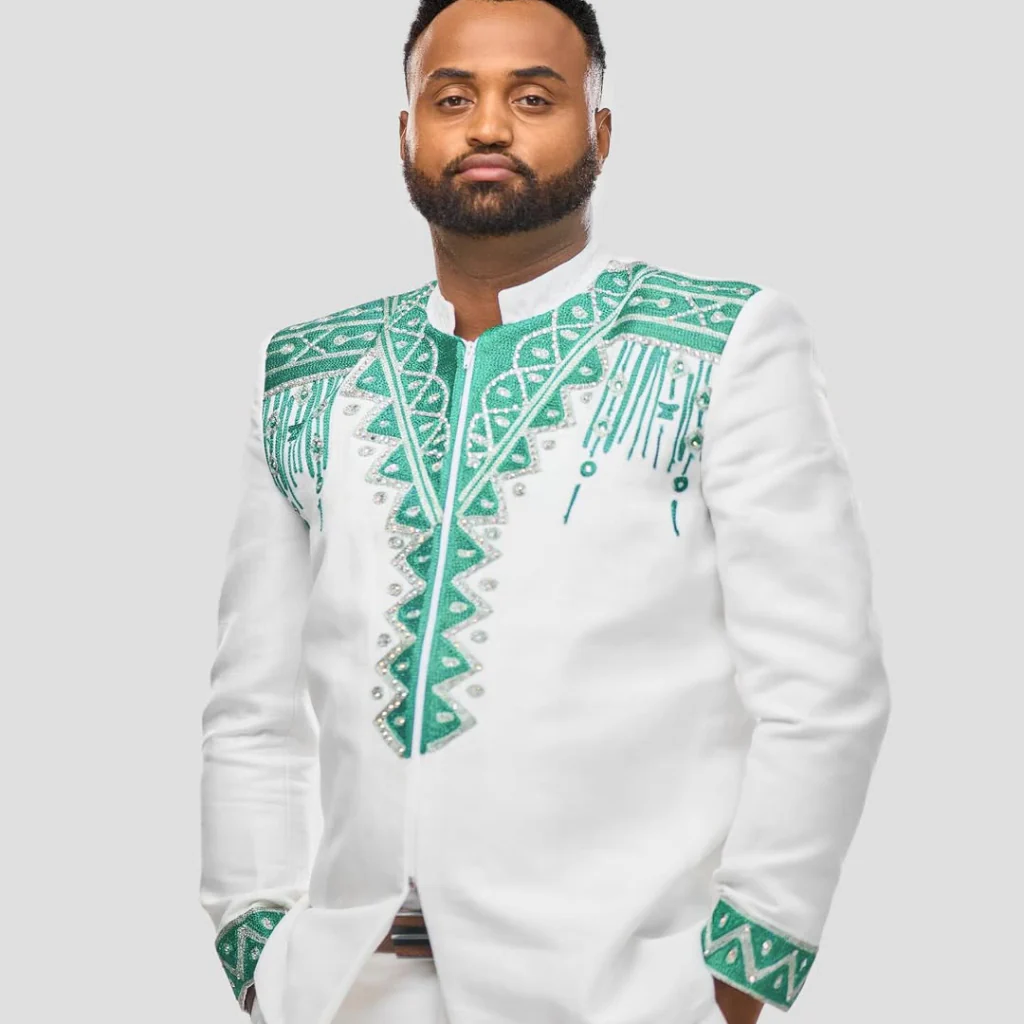
Habesha Kemis
A traditional dress made from white cotton with colorful embroidered borders. Worn for weddings, religious celebrations, holidays, and cultural gatherings, it reflects elegance, modesty, and the beauty of Horn of Africa textile traditions.
A symbol of cultural continuity in the Horn of Africa