Touring the Homeland is a digital journey across the African continent, exploring its rich culture and heritage. The project seeks to present Africa beyond stereotypes by highlighting the richness, diversity, and historical depth of its people and places while creating a sense of connection and rediscovery for audiences across the continent and the diaspora. Storymap JS provided an ideal format because it allows audiences to move through stories that are tied to place — providing an interactive and visually engaging way using text, photography, video and maps, within a single narrative experience.
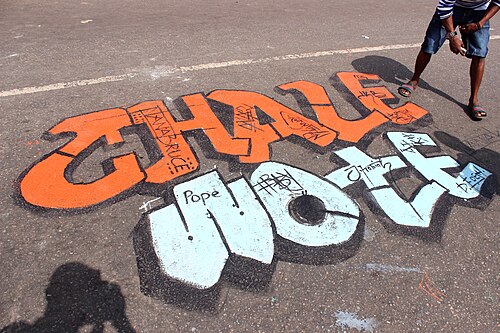
The Chale Wote Project is a digital journey through Ghana, exploring the country's historical sites, cultural landmarks, local communities, traditions, and everyday life. The project seeks to highlight the richness and diversity of Ghanaian history and culture while presenting the country through stories, memory, tourism, art, and heritage. Moving across different regions and historical spaces, the project creates an experience that invites audiences to encounter Ghana beyond simplified narratives. Timeline JS provided an ideal format because it allows audiences to move interactively through locations whilst allowing me to add videos and images that help the audience experience the rich Ghanaian culture.
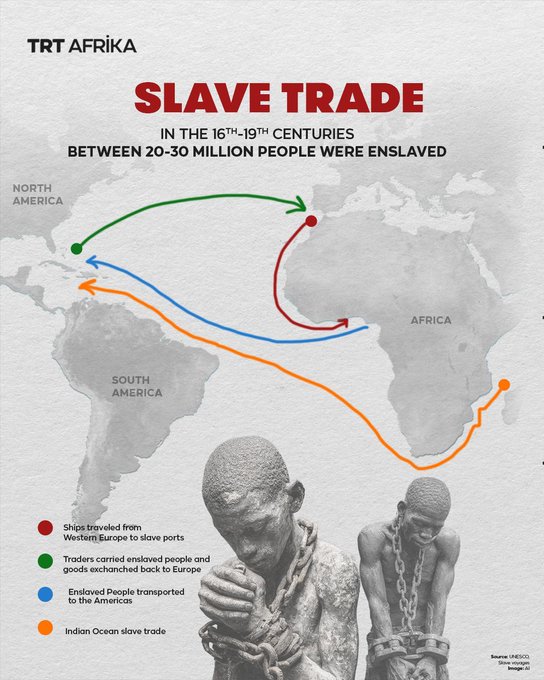
The story of the trans-Atlantic slave trade did not end with the movement of people from Africa to the Americas. The story that contemporary homegoing narratives often miss is that as far back as 1837, some people of African descent were already making the journey back to the continent, returning not only with memories of displacement but also with hopes of rebuilding connections to a homeland that had long existed in memory, story, and imagination. For the timeline project, I used HTML to create a digital and interactive historical journey tracing movements of return across different periods. The project combines text and images which help to tell this story.
See Timeline
This project used Voyant Tools to analyze the language and rhetoric of the British Council website for Ghana. As a cultural exchange institution operating across many Commonwealth countries, the British Council presents itself as an organization centered on education, cultural connection, and international partnership. The goal of the project was to examine whether the language used throughout the site reflected those claims and what underlying ideas about culture, language, identity, and global influence could be revealed through textual analysis. Using Voyant Tools alongside critical discourse analysis, the project examined recurring words, patterns, themes, and rhetorical structures across the website.